Koh Samui on a Budget: Backpacker Costs
A real-numbers breakdown of what backpackers actually spend per day on Koh Samui.
- Koh Samui budget accommodation ranges from 200 THB dorms to 900 THB private fan rooms
- Street food meals cost 60 to 150 THB and night markets are your best friend
- Green season (June through September) offers the lowest prices and fewest crowds
- InDrive consistently beats Grab on price for getting around the island
- Negotiate monthly rates in person after arriving for the deepest accommodation discounts
Koh Samui gets a reputation as Thailand's "expensive island," and I get why. When you see infinity pools and resort cocktails plastered all over social media, it's easy to assume this place will drain your wallet before you finish your first pad thai. But here's the thing: after living on this island for over eight years, I can tell you with full confidence that Koh Samui is absolutely doable on a backpacker budget. You just need to know where to look, what to skip, and which corners of the island the resort crowd never wanders into.
I'm not going to sugarcoat everything (that's not my style), but the bottom line is this: you can eat incredible food for under 100 baht, sleep in a clean dorm for the price of a fancy coffee back home, and explore beaches that would cost you ten times more in Europe. This guide breaks down the actual costs I see backpackers spending every day, so you can plan a Koh Samui trip that's light on your bank account and heavy on the good stuff.
Where to Sleep Without Going Broke
Your biggest daily expense on Koh Samui will be accommodation, so getting this right matters. The good news? You've got real options across the island, and the area you choose changes both the vibe and the price tag.
Chaweng is where most backpackers land first. It has the highest density of hostels, the best nightlife, and the easiest access to restaurants and bars. Places like Lub d Koh Samui run dorm beds from around 350 to 1,200 THB per night, with pod-style bunks, privacy curtains, two pools, and a full beach-club social scene. If you want to meet people, this is your spot. The tradeoff? You'll pay a slight premium over quieter beaches, and the noise on the beach road can run late.
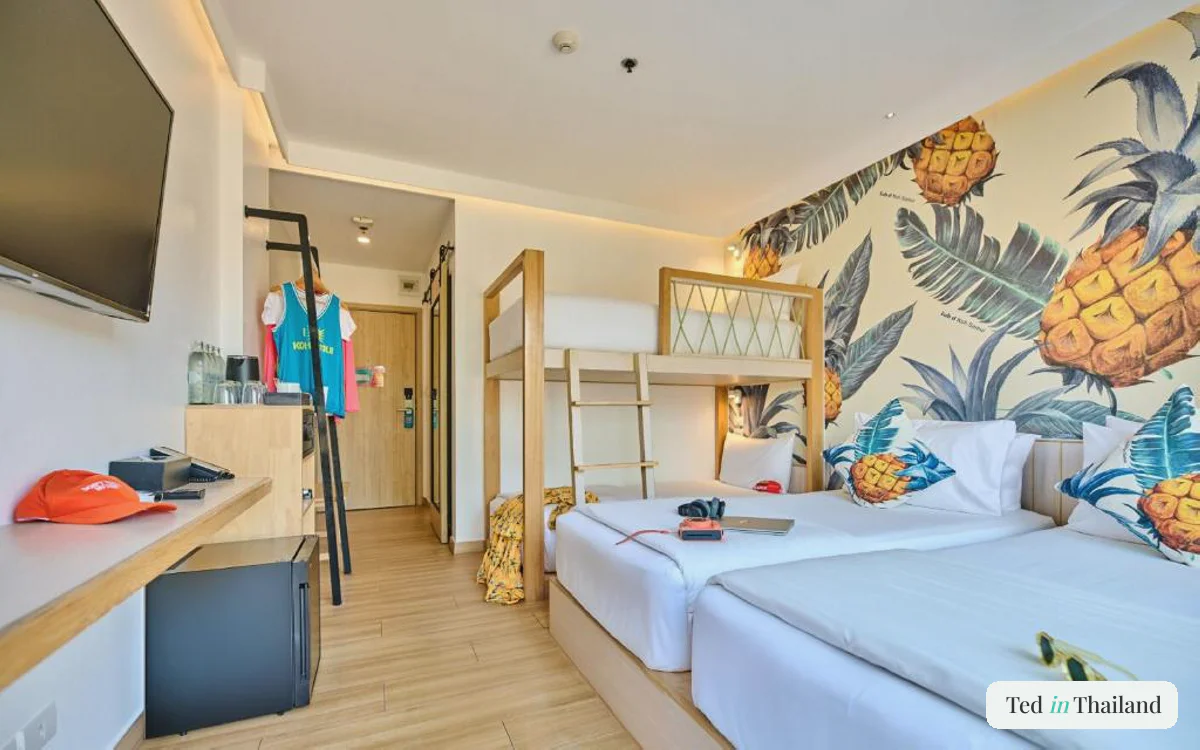
Lamai is my go-to recommendation for backpackers who want a balance. It's calmer than Chaweng, the private rooms and bungalows tend to run cheaper (think 400 to 900 THB for a basic fan room), and there are solid local eateries within walking distance. Nid's Bungalows in the Lamai area offers that classic bungalow feel close to the sand, typically around 40 to 85 USD per night for private rooms.
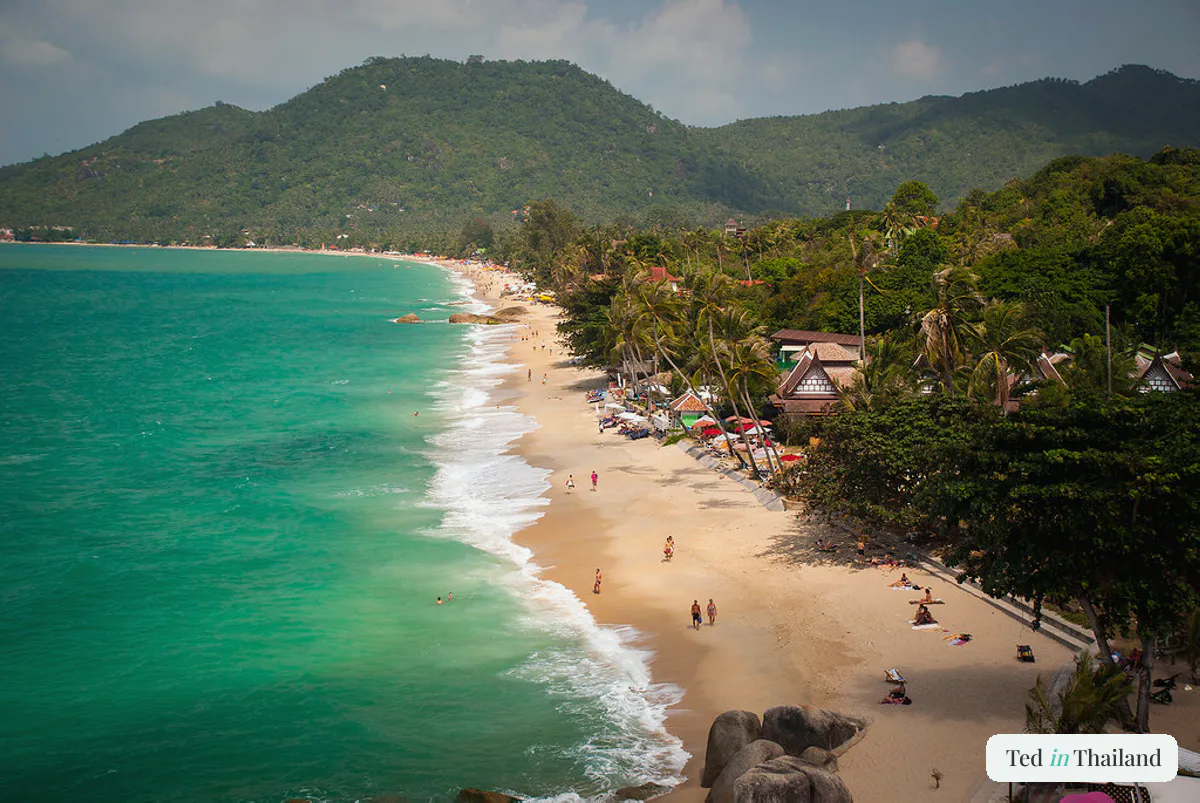
Maenam and the north shore are where you go for true budget value, especially on longer stays. It's quieter, less touristy, and month-long rentals here commonly start around 12,000 to 20,000 THB. If you're a digital nomad stretching your runway, this is the neighborhood. I cover the full digital nomad scene in my Koh Samui Digital Nomad Guide.
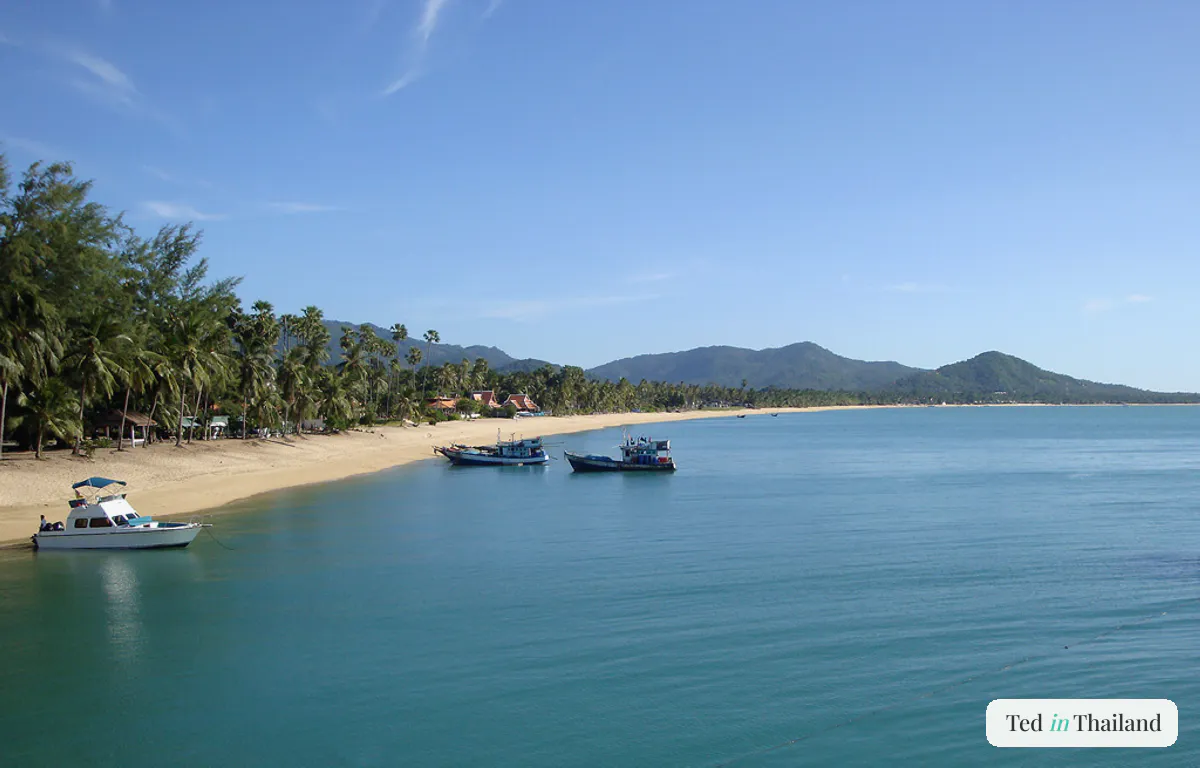
Bophut and Fisherman's Village split the difference nicely: walkable to the famous night market, close to evening food, and you'll find budget guesthouses and small hostels like Us Hostel Samui with dorm beds starting around 200 THB.
I've put together a full breakdown of specific hostels, dorm types, and booking strategies in my deep-dive guide to the best hostels and budget stays on the island, so check that out if accommodation is your main concern.
Ted’s Tip
If you're staying two weeks or longer, book just one or two nights online, then negotiate a monthly rate in person once you arrive. Owners on Koh Samui routinely offer 30 to 70 percent discounts off nightly rates for longer commitments, and you'll almost always get a better deal face-to-face than through a booking platform.
What You’ll Actually Spend on Food and Transport
This is where Koh Samui on a budget gets genuinely fun. The street food on this island is cheap, delicious, and everywhere. For the full rundown on where to find the best cheap eats, check out my street food and cheap eats guide.

Here's what real meals actually cost:
- Street food and local stalls: 60 to 150 THB per meal. A plate of pad thai at Chaweng Night Market runs about 80 to 160 THB. Moo ping skewers off the grill are 10 to 30 THB per stick. A bowl of morning khao tom (rice porridge) from a Chaweng side-lane stall will set you back 30 to 80 THB and keep you full until lunch.
- Night markets: the Fisherman's Village night market in Bophut is the single best food experience for backpackers. Grilled squid, papaya salad, and mango sticky rice, all for around 50 to 150 THB per dish. Get there around 17:30 before the big crowds roll in around 19:00.
- Food courts: the Central Festival food court is an underrated backpacker move. Air-conditioned, clean, and plates run 60 to 150 THB. Perfect fallback on a rainy evening.
- Western restaurants and cafes: 200 to 400 THB per meal. I'd save these for the occasional treat. A burger at a beachfront spot will easily cost double what a full Thai meal costs at a local place.

My real-world food budget estimate: if you eat almost exclusively at local stalls and markets, you can eat very well for 300 to 500 THB per day (roughly $9 to $14 USD). Throw in a couple of Western meals per week and you're looking at more like 500 to 700 THB daily.
Now, transport. This is the one area where Koh Samui can surprise you if you're not prepared. There's no metro, no real bus system, and taxis are pricier than the mainland. For the complete picture, read my guide to getting around Koh Samui.
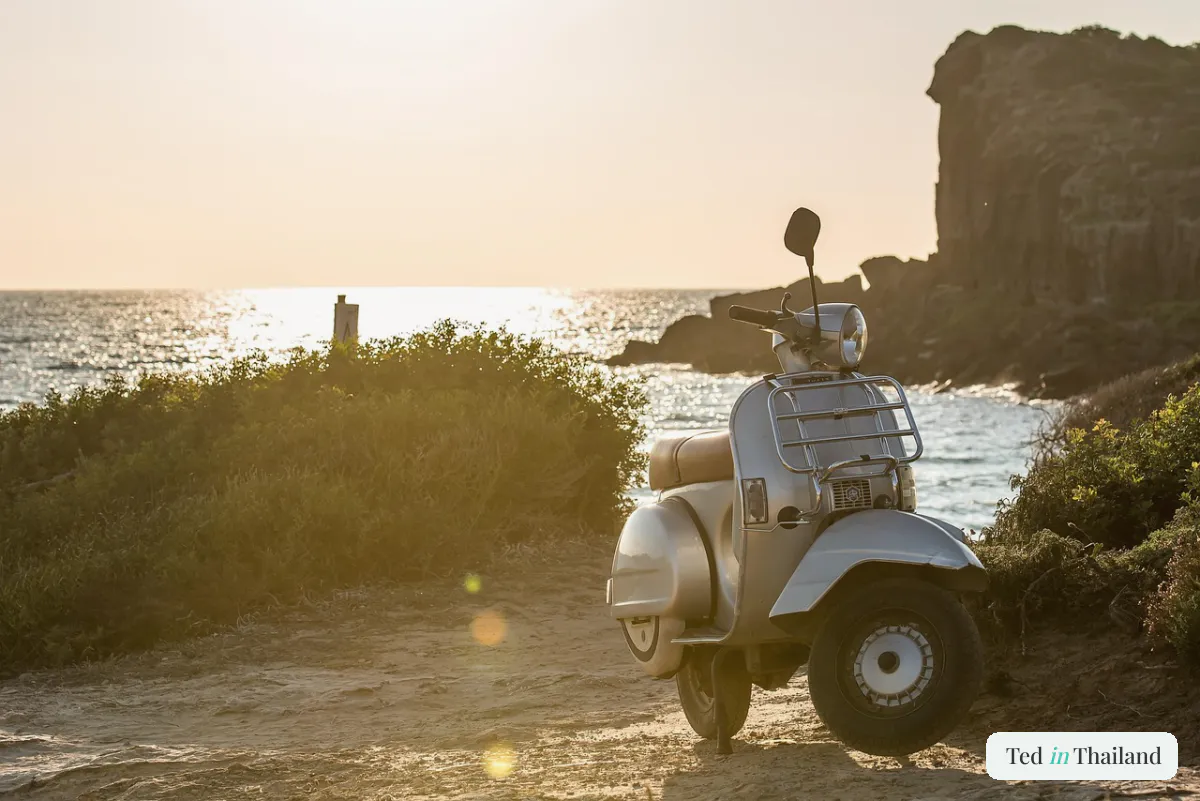
Your options, ranked by cost:
- Scooter rental: 200 to 400 THB per day for a basic bike. This is by far the cheapest way to explore, but be honest with yourself about your riding experience. The island's roads are hilly, the curves are tight, and accidents happen. Read my full scooter rental safety guide before you commit.
- Songthaew (shared truck-bus): around 150 THB for main routes like Nathon to Chaweng. Cheap, but slow and not door-to-door.
- InDrive or Grab: these ride-hailing apps work on the island, and InDrive frequently undercuts Grab on price. A 4 km ride might cost around 270 THB on InDrive versus 420 THB on Grab. Install both before you land. I compared them head-to-head in my rideshare and taxi comparison.

Ted’s Tip
The Nathon Night Food Market is the island's best-kept secret for cheap eating. It's where local families go, prices sit around 40 to 200 THB per dish, and you'll get authentically spiced southern Thai curries, grilled fish, and sticky rice at genuinely local prices. It's less polished than Fisherman's Village, but the food is just as good and the crowd is almost entirely Thai.
A Real Daily Budget Breakdown
Alright, let's put real numbers on this. I see backpackers land on Koh Samui all the time with wildly different ideas of what they'll spend, so here are two honest daily budget tiers based on what people actually pay.
| Expense | Bare-Bones Backpacker | Comfortable Backpacker |
| Accommodation | 300 THB (fan dorm) | 700 THB (AC dorm or basic private room) |
| Food (3 meals) | 300 THB (all street food/markets) | 600 THB (mix of street food + one sit-down meal) |
| Transport | 100 THB (walk + occasional songthaew) | 250 THB (scooter rental or a couple of app rides) |
| Activities/Misc | 100 THB (free beaches, temples) | 300 THB (entry fees, drinks, small splurge) |
| Daily Total | ~800 THB (~$22 USD) | ~1,850 THB (~$52 USD) |
Those numbers aren't aspirational. I watch backpackers pull off the bare-bones tier regularly, especially if they're staying in Maenam or Lamai and cooking the occasional meal in a hostel with kitchen access. The comfortable tier gives you air conditioning, a cold beer at sunset, and the ability to actually do a few things beyond lying on the sand.
A few things that tend to sneak up on people's budgets: beachfront smoothies (they look cheap at 80 to 120 THB each, but three a day adds up fast), late-night taxi rides (after midnight, app fares spike and songthaews stop running), and platform booking fees that quietly add 10 to 30 percent on top of the listed hostel price.
For more on ATMs, exchange rates, and how to avoid getting stung by withdrawal fees, check out my ATMs and currency exchange guide.
Ted’s Tip
Carry small cash. Lots of it. Street vendors, songthaew drivers, and market stalls rarely have change for a 1,000 THB note, and you'll lose time and patience trying to break big bills. Hit an ATM once and immediately break the cash at a 7-Eleven or Central Festival purchase.
Five Money-Saving Moves the Instagram Crowd Misses
Most of these won't show up in a travel influencer's reel, but they'll save you real money.

- Travel during green season (June through September). September is often the cheapest month on the island, with accommodation prices dropping significantly and crowds thinning out. You'll get some rain, sure, but also lush scenery, emptier beaches, and walk-in deals that don't exist in December. The weather is unpredictable, not terrible. Most days still have long dry windows. I break down the full month-by-month picture in my Best Time to Visit Koh Samui guide.
- Use InDrive instead of Grab. Both apps work on Koh Samui, but InDrive consistently undercuts Grab by a noticeable margin. A 4 km ride might cost you roughly 270 THB on InDrive versus over 400 THB on Grab. Install both before you arrive and compare every time.
- Eat where the locals eat. The Nathon Night Food Market near the main wharf has almost no tourist markup. Pa Yang in Maenam does grilled chicken, som tam, and sticky rice for under 200 THB total. Jahn Dim Sum in the Lamai area is a local morning favorite where dim sum plates start at 40 THB. If a stall has a line of Thai families, get in it.
- Do the free stuff first.Wat Phra Yai (Big Buddha) and Wat Plai Laem are free to visit. The beaches are free. Watching the sunset from Lipa Noi or Bang Por costs nothing. You can easily fill two or three days with world-class scenery and zero spend on activities. For more ideas, see my master activity guide.
- Book the first two nights online, then negotiate in person. I mentioned this earlier because it genuinely works. Owners prefer filling rooms over leaving them empty, and the discount for a two-week or monthly commitment negotiated face-to-face can be dramatic. One night at a hostel gives you a base to walk around, check out a few places, and lock in a rate that no booking platform can match.
Ted’s Tip
If you're island-hopping to Koh Phangan or Koh Tao, base yourself near the Bangrak pier area. Samui Backpacker Hotel sits right there, dorms start around 200 THB, and you skip the taxi-to-ferry cost entirely. That alone can save you 500+ THB per ferry trip compared to staying in Chaweng and needing a ride to the pier.
Wrapping It Up
Koh Samui on a budget isn't about sacrificing the experience. It's about knowing the difference between the 400 THB smoothie at a beach club and the 40 THB fresh coconut cracked open by a guy with a machete on the side of the road (the coconut is better, by the way). You can realistically spend 800 to 1,850 THB per day here, eat incredible food, sleep in a clean bed, and wake up on one of the most beautiful islands in the Gulf of Thailand.
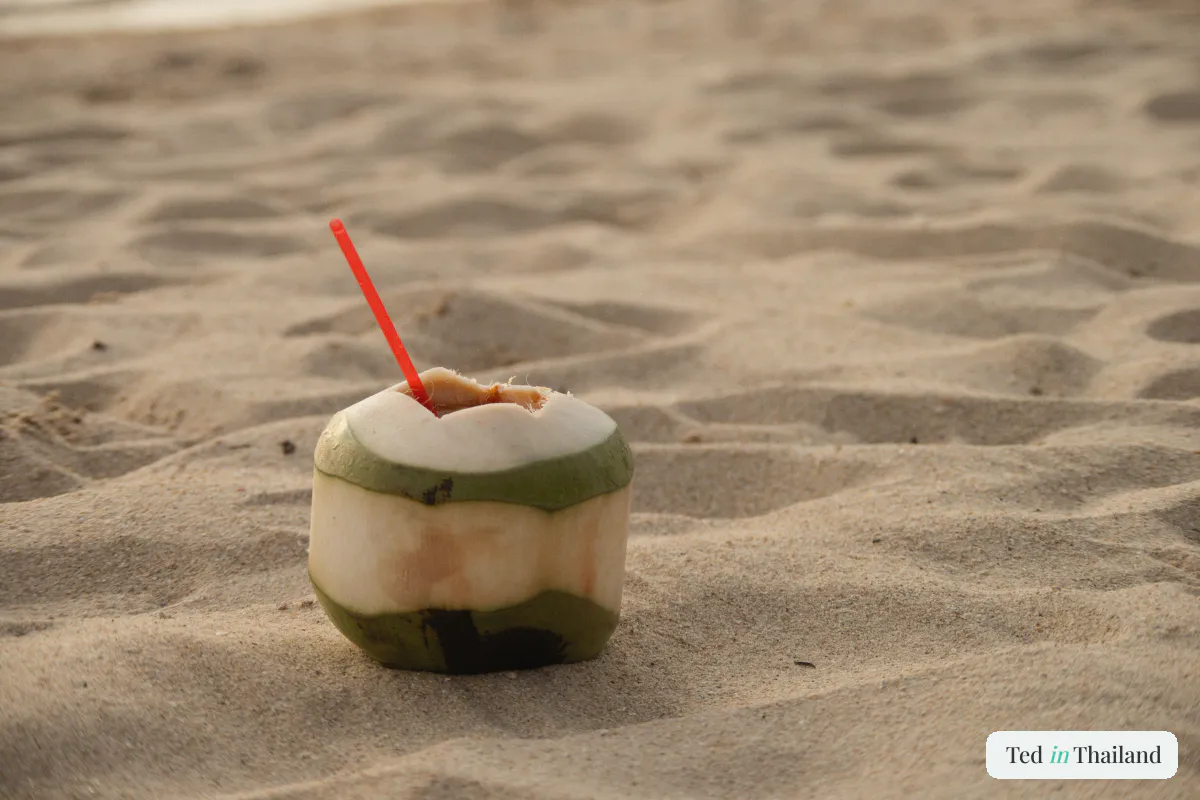
The island rewards the travelers who wander past the main strip, ask for the local price, and stay long enough to find their own favorite noodle stall. That's the Koh Samui I fell in love with, and it's still very much here for anyone traveling on a backpacker budget.
FAQ
How much does a backpacker need per day on Koh Samui?
A bare-bones daily budget sits around 800 THB ($22 USD), covering a fan dorm, three street food meals, and walking most places. A more comfortable backpacker spending on AC accommodation, mixed dining, and a scooter or app rides will land around 1,850 THB ($52 USD) per day.
Is Koh Samui too expensive for backpackers?
Not at all. The island has a reputation for being pricier than the mainland, and the resort side of things certainly is. But the backpacker infrastructure is solid, especially in Chaweng, Lamai, and Maenam. Dorm beds start at 200 THB and street food is some of the cheapest eating in the Gulf islands.
What is the cheapest area to stay in Koh Samui?
Maenam and the north shore consistently offer the lowest prices for both nightly and monthly stays. For the social hostel scene, Chaweng has the most options but at a slight premium. Lamai splits the difference with cheaper private rooms and bungalows.
What is the best time to visit Koh Samui on a budget?
June through September (green season) gives you the best deals on Koh Samui budget accommodation, with September often being the cheapest month. You'll trade some rainy days for dramatically lower prices and emptier beaches.
Can you get around Koh Samui without renting a scooter?
Yes, but it takes more planning. Songthaew trucks run the main routes for about 150 THB per ride, and InDrive and Grab cover door-to-door trips. If you're based in Chaweng or Bophut, you can walk to most restaurants, beaches, and nightlife without needing wheels at all.
Is street food safe to eat on Koh Samui?
In my experience, absolutely. The golden rule: eat where locals eat, pick stalls that cook in front of you, and go where the turnover is high. The Chaweng Night Market and Fisherman's Village night market are reliable, and the food courts at Central Festival are among the cleanest cheap options on the island.