Best Time to Visit Koh Samui: Master Weather Guide
An 8-year local's honest breakdown of Koh Samui's seasons, so you book the right month.

- February through April offers the most reliable beach weather on Koh Samui
- Green season (May through September) delivers the best hotel deals and empty beaches
- October and November bring the heaviest Gulf monsoon rains, so plan with flexibility
- Always keep one weather-flexible day in your Koh Samui itinerary for rainy-day swaps
- Book peak-season flights and hotels months ahead since Samui inventory sells out fast
One of the most common questions I get from people planning their Koh Samui travel is some version of: "When should I actually go?" And I get it. You're booking flights, locking in hotels, maybe burning precious vacation days. You want to get the timing right.
Here's the good news. After living on this island for over eight years, I can tell you that Koh Samui is genuinely a year-round destination. The water is warm every single month, the palm trees are always swaying, and there's always something incredible to do. That said, the weather in Koh Samui does shift throughout the year, and knowing those patterns can be the difference between a perfect trip and a soggy one.
This guide breaks down the seasons, the best months, the budget-friendly windows, and the honest reality of the rainy season so you can plan your Koh Samui itinerary with confidence.
Koh Samui Weather: The Four Seasons at a Glance
Before we get into the details, here's the big picture. Koh Samui doesn't follow the same weather pattern as Phuket or the Andaman coast. It sits on the Gulf of Thailand, which means its seasons are slightly offset from the rest of the country. That catches a lot of first-time visitors off guard.

Here's how the year breaks down:
- Peak / Best Beach Weather (February through June): Lots of sun, calm seas, and ideal conditions for swimming, snorkeling Koh Samui's reefs, and island-hopping to Ang Thong or Koh Tao. This is the window where you're almost guaranteed gorgeous beach days.
- Hot Season (March through May): Overlaps with peak season but cranks up the heat and humidity. Still excellent for the beach, just pack extra reef-safe sunscreen and hydrate like your life depends on it (it sort of does).
- Shoulder / Green Season (June through September): Showers roll in more frequently, but you'll still get plenty of sunshine between them. Tourist crowds thin out and hotel prices drop noticeably.
- Monsoon / Wettest Months (October through November): The Gulf monsoon brings the heaviest rainfall. November typically records the highest monthly rain totals on the island. Seas get rougher, and ferry or flight schedules can be disrupted.
- December: The transition month. Early December can still be wet, but by mid-to-late December conditions clear up and it's generally sunny and pleasant. It's also when crowds (and prices) spike fast heading into Christmas and New Year.
Ted's Tip
Koh Samui's Gulf-side location means it gets its worst weather in October and November, while Phuket and the Andaman coast are often soaked from May through October. If you're planning a broader Thailand trip, you can actually use Samui as your "dry escape" during months when the west coast is in full monsoon mode.
The Best Months to Visit Koh Samui
If you want the short answer: February through April is the sweet spot.
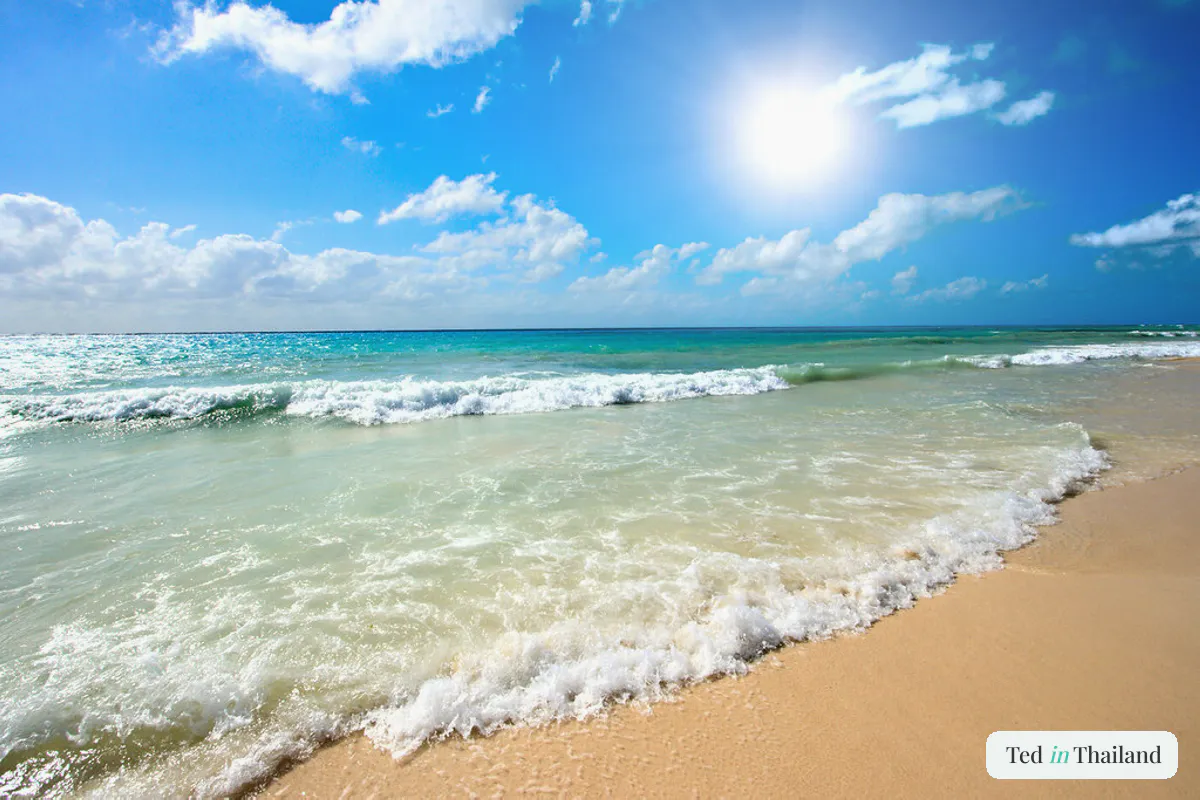
February is my personal favorite. The skies are clear, the seas are calm, and it's one of the safest months for perfect beach days on any of the best beaches in Koh Samui. Chaweng, Lamai, Choeng Mon, Lipa Noi, Maenam... they're all at their absolute best. The water is crystal clear, and if you're into snorkeling or diving, visibility is excellent.
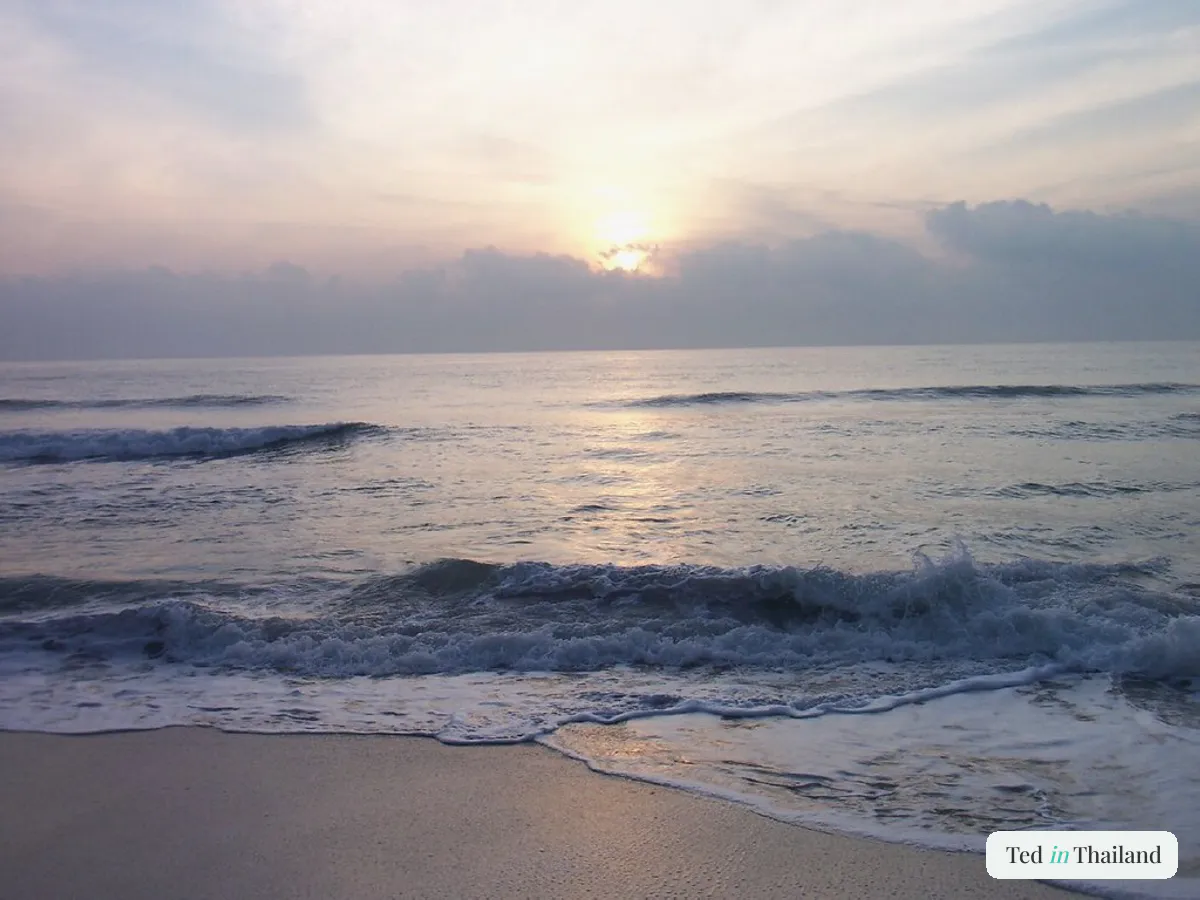
March stays mostly dry but the heat starts building. Long beach days are the move, and the Koh Samui sunset views from the west coast (Lipa Noi and Taling Ngam especially) are stunning this time of year.

April is hot. Like, really hot. But if you time it right and you're here for Songkran (Thai New Year, mid-April), it's an incredible cultural experience. The entire country turns into one massive, joyful water fight. Expect bigger crowds and higher transport demand around that week, but it's one of those experiences you'll talk about for years.
January is also a strong pick. Warm, pleasant, low rainfall, and calm seas. The catch? It's still riding the tail end of the Christmas and New Year rush, so things are busy and prices reflect that. Book early if you're targeting the holiday weeks.
If you're still deciding how to structure the trip itself, my 7-day Koh Samui itinerary pairs well with any of these months.
Ted's Tip
February through April gives you the best weather, but February specifically is the month I recommend to friends who want a "guaranteed" great trip. Slightly quieter than the December/January holiday madness, still gorgeous every day, and hotel rates are a touch more reasonable than the peak holiday weeks.
Shoulder Season and Green Season: The Budget Traveler's Secret
Here's where things get interesting for savvy travelers. May through September is what locals call the green season, and honestly? I think it's one of the most underrated windows for a Koh Samui trip.
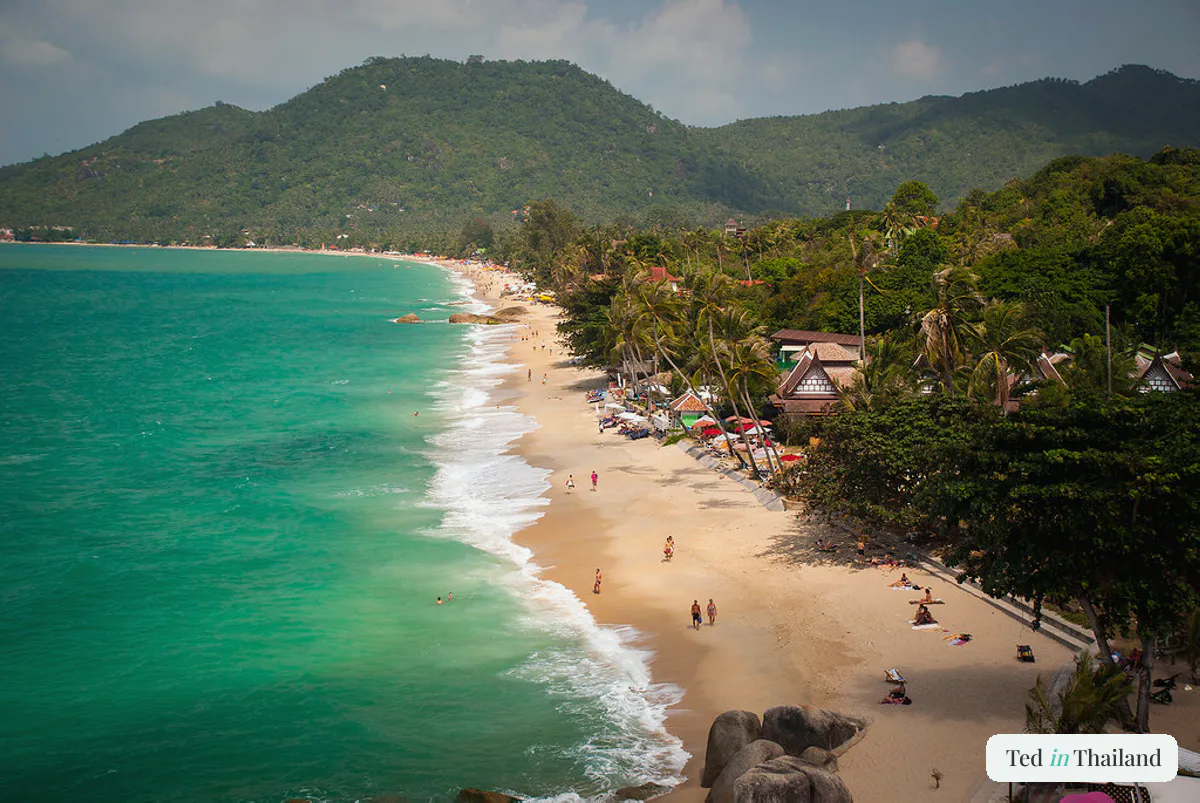
Yes, it rains more. But "more rain" on Samui during green season usually means short, heavy downpours that last 20 to 90 minutes, followed by sunshine. It's not like the monsoon dumps all day every day. Most mornings are still bright and beautiful, and you can absolutely still hit the beach, explore temples like Wat Plai Laem, take a cooking class in Koh Samui, or catch a Koh Samui sunset before the afternoon clouds roll in.

The real perks of green season:
- Prices drop significantly. Hotels that charge 5,000+ THB per night in peak season might list at 2,500 THB in June or July. That's a massive difference, especially on a longer stay.
- Beaches are quieter. Want Chaweng Beach without fighting for a sunbed? Come in August.
- The island is lush and green. The waterfalls (Na Muang especially) are at their most impressive after the rains.
- September is often the cheapest month on the island. If your schedule is flexible and you don't mind some unpredictability, this is peak value territory.
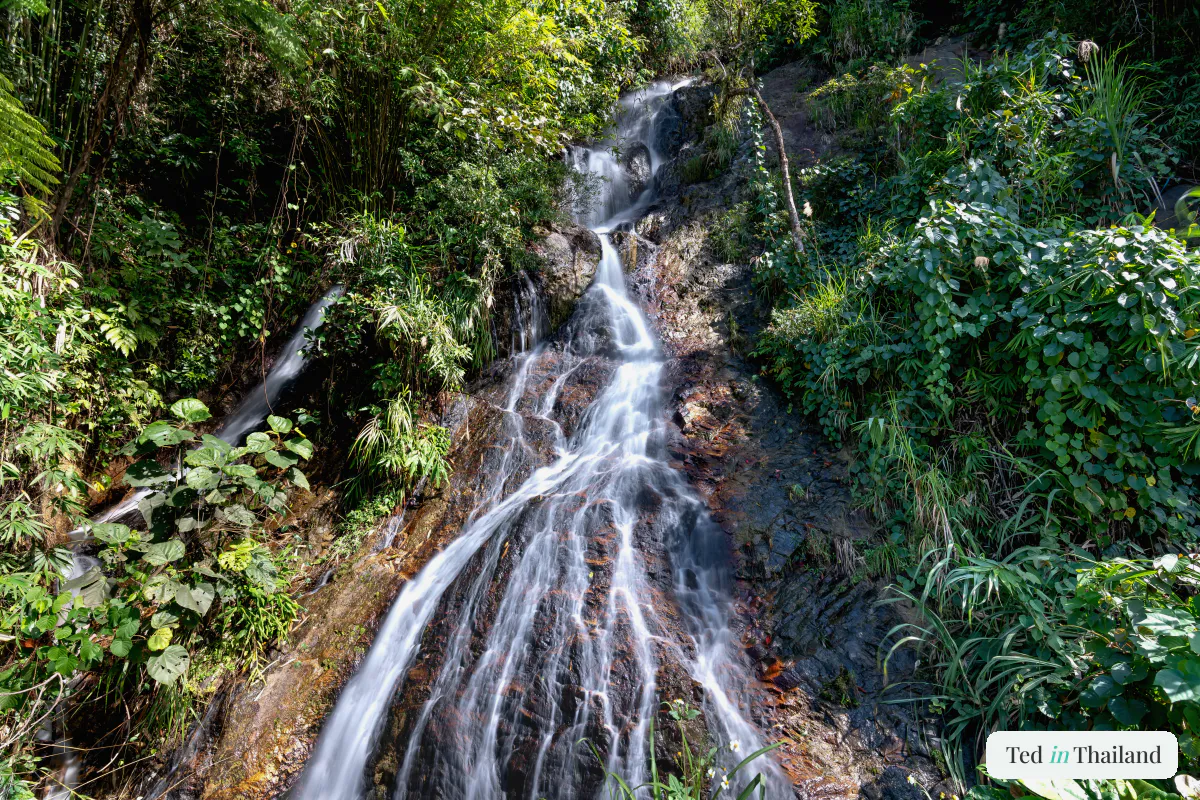
The tradeoff is real, though. You might lose a beach day to rain. Seas can be choppier, and some boat tour operators scale back. But if you build a flexible itinerary with a mix of beach time, spa days, and things to do in Koh Samui that work rain or shine, green season can be genuinely wonderful.
If you're chasing the deals, my Koh Samui on a budget breakdown shows exactly how far those green-season rates stretch.
Ted's Tip
If you visit during green season, don't stack all your weather-sensitive activities on consecutive days. Keep one "flex day" in your itinerary for rescheduling. Plan a cooking class, a spa afternoon at one of the resort spas, or a movie at Central Festival as your rainy-day backup. You'll never feel like you wasted a day.
What About the Rainy Season?
Let's talk about the elephant in the room (not the sanctuary kind). October and November are the months I'd be cautious about.

October is the transition into the Gulf monsoon. Rainfall increases, seas get rougher, and it's not recommended for swimming or island-hopping. Flights and ferries can be disrupted, and some water activity operators shut down or run limited schedules.
November is historically the wettest month on Koh Samui, with the highest monthly rain totals recorded. Some businesses shift to low-season hours, and in exceptional years there's been flooding. If you need guaranteed beach time, this is not your month.
That said, I've also had perfectly fine November weeks where it rained hard at night and was beautiful by morning. Weather is weather. But if you're planning a once-a-year vacation and you want to stack the odds in your favor? Aim for the windows I mentioned above and save October/November for a different Thai adventure.
If you're travelling in the shoulder or monsoon months, it's worth reading my travel insurance guide before you book — cancellation cover earns its keep in October.
If you do end up here during monsoon season, the island still has plenty to offer indoors. Spa packages, market-to-kitchen cooking classes, Central Festival mall (cinema, arcades, air-conditioned everything), and some genuinely relaxing villa pool days. I wrote a full month-by-month breakdown covering exactly what to expect each month, including crowd levels, events, and specific tips, so check that out if you want the granular details. There's also a dedicated list of rainy day activities if the forecast turns on you.

When to Book and How to Plan Around the Seasons
Here's the practical side. No matter which season you choose, a few booking realities stay constant:
- December through March (peak season): Book hotels and flights months in advance. Flights into Samui have limited capacity, and fares jump dramatically as seats sell out. Holiday weeks (Christmas, New Year, Chinese New Year) are the most competitive.
- April through June: A sweet middle ground. Good weather, slightly lower prices than peak, and you can often book 4 to 6 weeks out without panic.
- July through September: Best deals. You'll find real discounts on accommodation, and flights are generally easier to grab. Build in weather flexibility.
- October through November: Lowest prices, but plan for indoor alternatives and check ferry/flight cancellation policies before you book anything.

No matter when you come, Koh Samui delivers. The beaches are world-class year-round, the food scene is incredible, and there's enough to fill a week whether the sun is shining or the clouds are rolling. It's all about matching your expectations to the season and packing accordingly. If you're still weighing where to base yourself, the Koh Samui Accommodation Guide pairs each area with the season that suits it best.
Ted's Tip
Bring a light rain jacket no matter what month you visit. Even in February, a quick afternoon shower can pop up out of nowhere. It'll be over in 20 minutes, but you'll be glad you had a layer instead of hiding under a 7-Eleven awning waiting it out.
Frequently Asked Questions
What is the best time to visit Koh Samui?
February through April is the most popular and reliable window. You'll get sunny skies, calm seas, and ideal beach conditions. February is my top pick for the best balance of great weather and slightly lower crowds compared to the December/January holiday rush.
Does it rain a lot in Koh Samui?
It depends on the month. October and November see the heaviest rainfall, with November typically recording the highest totals. During green season (June through September), showers are common but usually short and intense, not all-day events. Peak season (December through April) sees the least rain.
Is Koh Samui good to visit in July or August?
Absolutely. July and August are shoulder-season months with occasional showers but plenty of dry, sunny windows. Hotel prices drop, beaches are less crowded, and you can still enjoy most water activities on calmer days. Just build some flexibility into your plans.
When is the cheapest time to visit Koh Samui?
September is typically the cheapest month, with the lowest hotel rates and fewest tourists. June through August also offer great value. You'll trade a bit of weather certainty for significant savings on accommodation.
Can I still enjoy Koh Samui during rainy season?
You can, but set your expectations accordingly. October and November are genuinely unpredictable, and some boat services and outdoor activities may be limited. However, the island has excellent rainy-day options like spa packages, cooking classes, shopping at Central Festival, and cozy restaurant hopping. If you're flexible, you can still have a great time.
What should I pack for Koh Samui weather?
Light, breathable clothing (linen or cotton), reef-safe sunscreen, sunglasses, and a sun hat are essentials year-round. Bring a light rain jacket regardless of the month. If you're visiting during green or monsoon season, a waterproof phone pouch and a quick-dry towel are worth throwing in your bag.
Is Koh Samui hotter than Phuket?
Both are tropical and warm year-round, but Koh Samui's Gulf-side location means its weather pattern is different. Samui tends to get its heaviest rain in October and November, while Phuket gets hit harder from May through October. Temperature-wise, they're similar, though Samui can feel more humid during the hot season (March through May).