Best Travel Insurance for Thailand: The Koh Samui Guide (Scooters & Diving Included)
The scooter crashes, diving mishaps, and hospital bills your policy needs to actually cover.
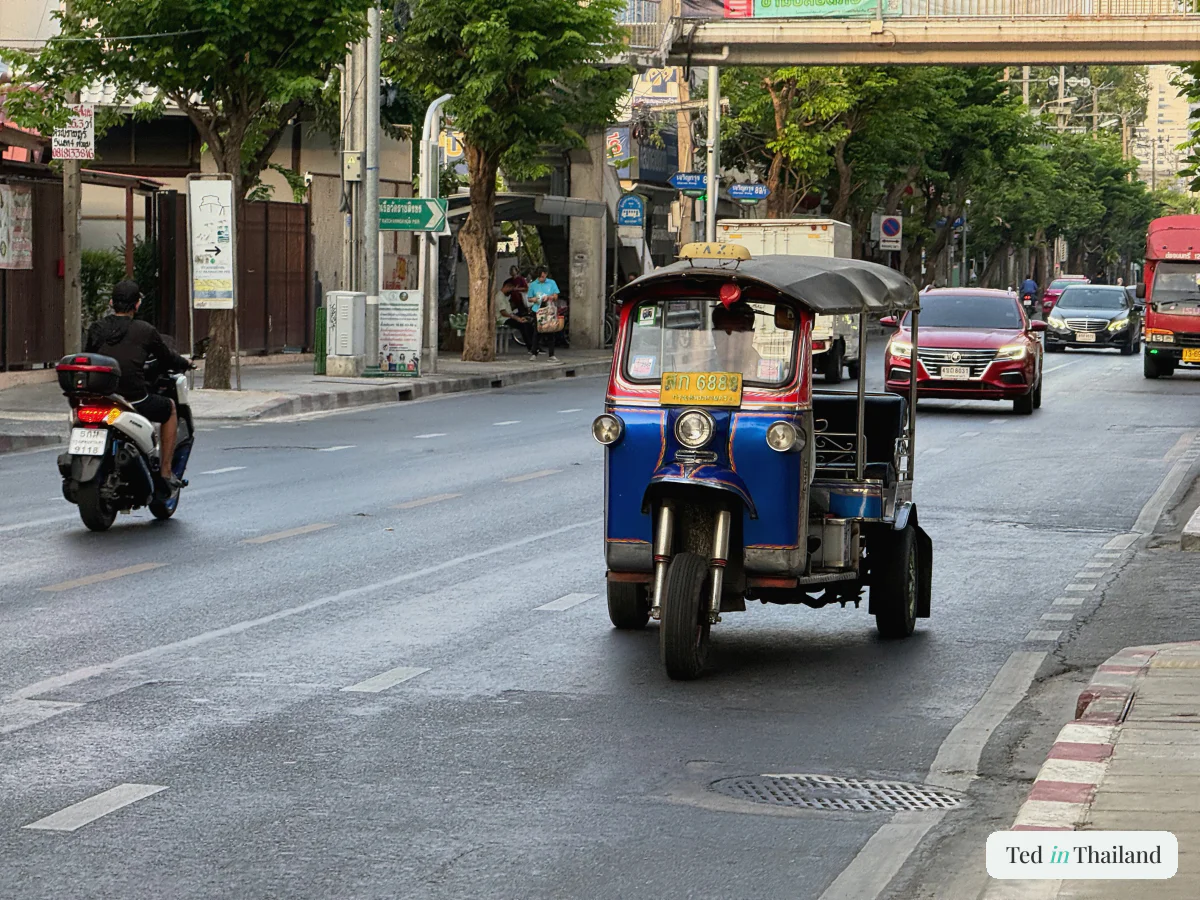
- Genki Traveler is the go-to if you'll ride a scooter without a motorcycle license on Koh Samui
- Most denied claims in Thailand come from riding without a valid license or helmet
- Diving insurance should match your actual certification and planned depth, not just say "diving covered"
- Save 1669, 191, and 1155 to your phone before you land on the island
- A $50 to $120 policy beats a $10,000 hospital bill every single time
You're about to spend your days island-hopping to Koh Tao, zipping through coconut groves on a scooter, eating pad thai at Fisherman's Village, and maybe getting your PADI certification in some of the clearest water in Southeast Asia. Koh Samui is the kind of place where you actually do all the things you put on your bucket list. The right travel insurance policy is what lets you say yes to every single one of them without a knot in your stomach. This guide breaks down exactly what coverage you need, which providers actually deliver it, and the fine print that trips people up.
Do You Actually Need Travel Insurance for Thailand?

Right now, Thailand does not require tourists to carry travel insurance to enter the country. That said, the government has been moving toward making it mandatory. The latest proposal is a 450 THB tourist entry fee that would include basic accident and emergency coverage, but as of late 2026, it's still in a consultation phase and isn't expected to roll out until early 2027 at the soonest.
Here's the thing, though: even if that fee passes, the basic coverage it provides won't stretch far. It's designed to keep hospitals from absorbing unpaid bills (which currently run over 100 million THB per year nationwide). It won't cover scooter crashes, diving incidents, trip cancellation, or a medevac flight to Bangkok. For those, you need your own policy.
Ted's Tip
Don't wait for Thailand to make insurance mandatory. A solid two-week policy runs roughly $40 to $120 depending on your plan, and a single ER visit at Bangkok Hospital Samui without coverage can cost more than your entire trip.
What Your Policy Must Cover on Koh Samui

Koh Samui has solid medical infrastructure for an island, but it has limits. Bangkok Hospital Samui is the main private facility with a 24/7 ER, ICU, pediatrics, and diagnostics. It's excellent, but it's also priced accordingly. Wattanapat Hospital and several private clinics offer good, lower-cost alternatives for non-emergency care. For anything truly complex, like major surgery or prolonged ICU stays, patients get transferred by air to Bangkok.
That medevac reality is the reason your policy needs two things above all else:
- High medical coverage limits. Private hospital care on Samui is high quality but not cheap. Aim for at least $100,000 to $250,000 in medical coverage.
- Medical evacuation and repatriation. If you need to be airlifted to Bangkok (or home), the cost can be staggering without coverage.
Save these emergency numbers to your phone right now: 1669 (ambulance), 191 (police), and 1155 (Tourist Police, which provides English-language support). For a full breakdown of the island's hospitals, clinics, and what to expect, I've got a dedicated medical care and safety guide.
Best Travel Insurance for Thailand: My Top Picks
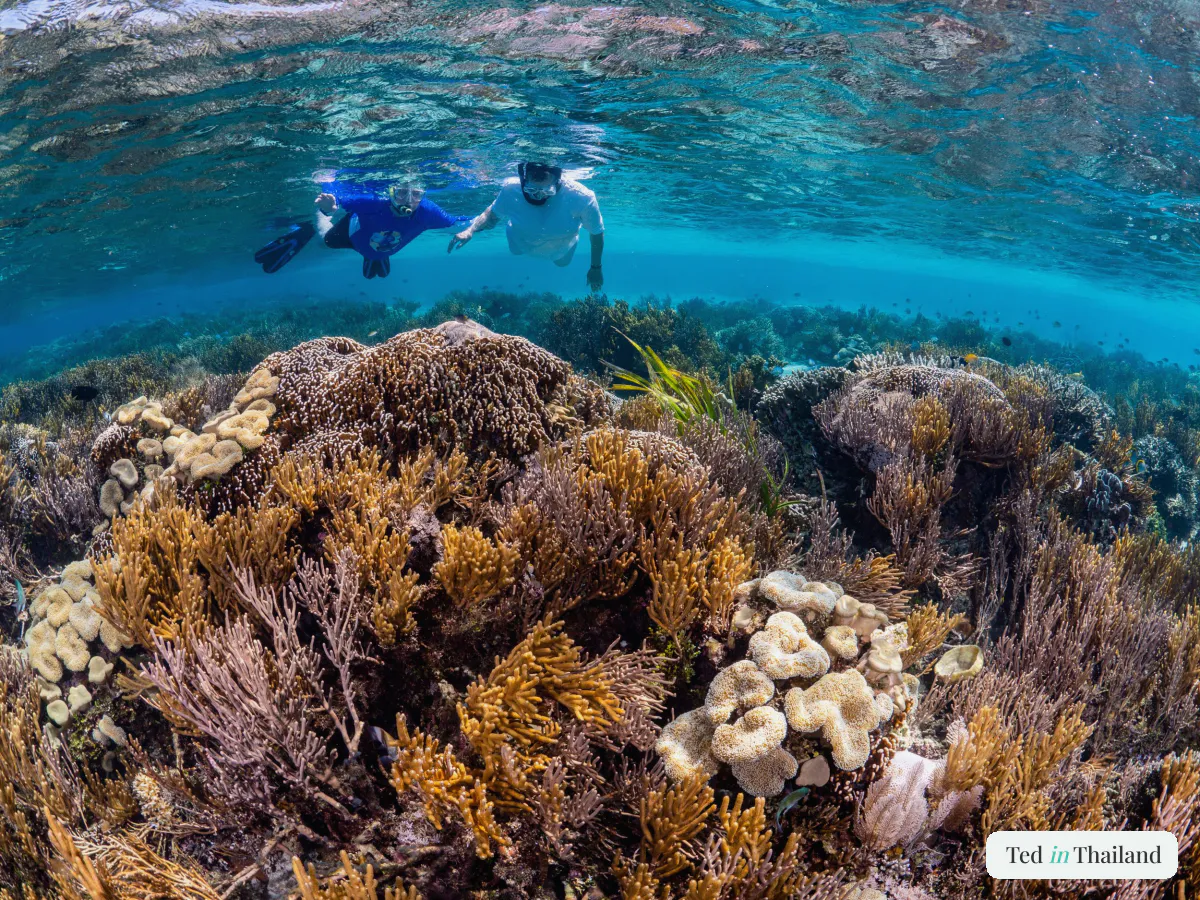
After living here and watching friends, neighbors, and readers deal with everything from scooter slides to ear infections from snorkeling, I've seen which providers actually pay out and which ones find excuses not to. Here's who I'd look at depending on your trip style.
Genki Traveler: Best for Scooter Riders
This is the standout if you plan to rent a scooter but don't hold a motorcycle license back home (which, let's be honest, is most people). Genki Traveler covers medical expenses from accidents on light motorcycles up to 125cc even without a motorcycle license, as long as you're wearing a helmet. That's a genuinely rare feature. Most other providers will deny your claim the moment they find out you don't have an IDP or motorcycle endorsement.
The catch: Genki is medical-only insurance. There's no trip cancellation, no baggage coverage, and no flight-delay compensation. For most Samui travelers, though, the medical piece is the one that actually matters.
SafetyWing Nomad Insurance: Best for Long Stays and Digital Nomads

SafetyWing runs on a subscription model (billed every 4 weeks) with no fixed end date, which makes it perfect if you're not sure how long you'll be on the island. Their Nomad Essential plan starts around $56 per 4-week cycle for travelers under 40.
For scooters, SafetyWing does cover motorbike accidents, but you need to be properly licensed for the vehicle class you're riding, wearing a helmet, and sober. If your scooter is over 50cc, you'll also need the Adventure Sports add-on (roughly $10/month extra). No license, no claim. That's the deal.
If you're planning a longer stay, my Digital Nomad Koh Samui guide covers the rest of the long-stay setup.
World Nomads: Best for Adventure Activities

If your Samui trip involves diving from Koh Tao, Muay Thai training, rock climbing, or the Samui zipline, World Nomads covers over 300 activities. Their Standard plan covers scuba diving up to 30 meters, and the Explorer plan pushes that deeper with no depth limit (depending on your certification). Motorbike riding is covered too, but like SafetyWing, you need a valid motorcycle license and a helmet.
World Nomads is more expensive than the others (roughly $80 to $120 per month), but it's the most comprehensive for active travelers.
DAN or DiveAssure: Best for Serious Divers

If you're doing multiple dive trips, going beyond recreational depths, or planning a PADI course on Koh Tao, a specialist dive insurance policy is worth layering on top of your regular travel insurance. DAN and DiveAssure explicitly cover diving incidents at specified depths, decompression treatment, and evacuation. Regular travel policies often cap diving coverage or require certification proof that doesn't account for training dives.
Ted's Tip
Read the activity exclusion list before you buy. Don't assume a policy covers scooters, diving, or Muay Thai just because it says "adventure coverage." The fine print on license requirements and depth limits is where claims get denied.
Scooter Insurance: The Fine Print That Sinks Claims
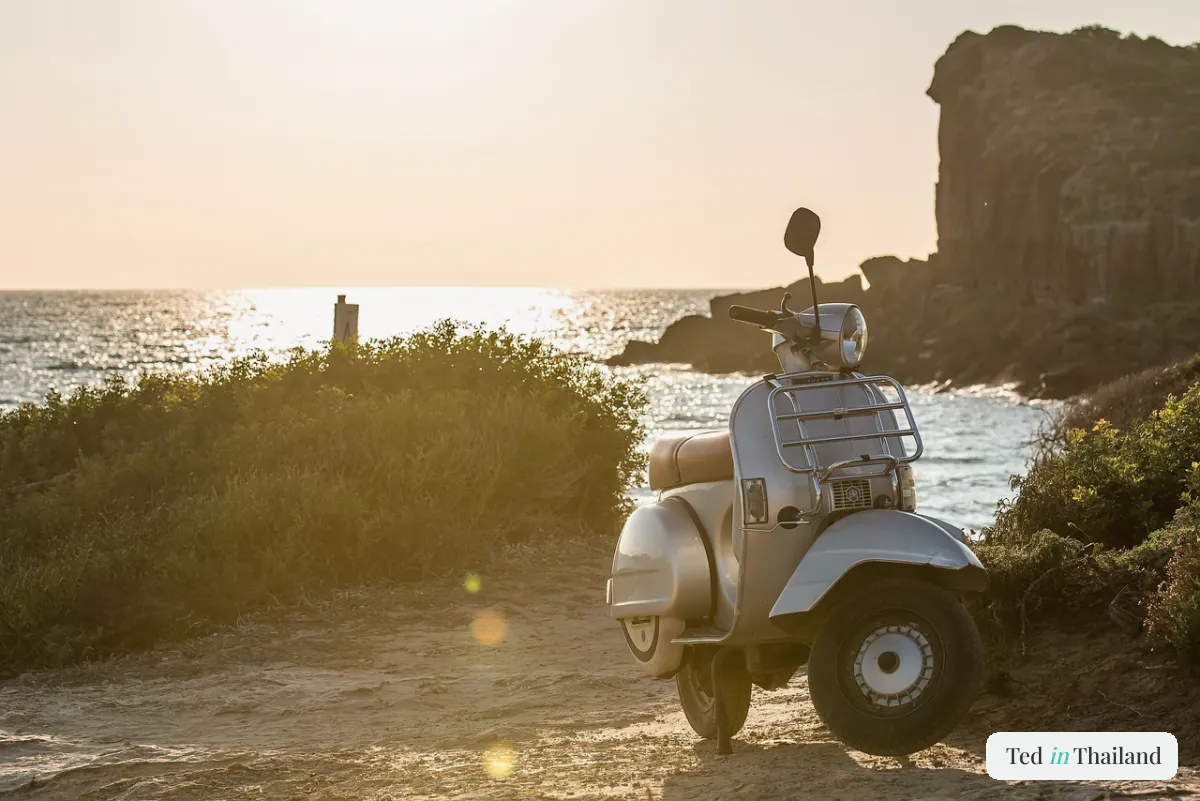
Motorbike accidents are the number-one insurance claim for travelers in Thailand. Not food poisoning, not lost luggage. Scooter crashes. And the most common reason those claims get denied? The rider didn't have a valid motorcycle license.
Here's how it works: a standard car license from your home country does not qualify you to ride a motorbike in Thailand, and most insurers know that. They want to see a motorcycle endorsement on your home license plus an International Driving Permit (IDP). Without both, most providers will refuse the claim entirely.
Beyond the license issue, watch for these policy terms:
- Engine-size caps. Most policies cap coverage at 125cc, which covers the typical rental scooter but not larger bikes.
- Helmet requirements. If you weren't wearing a helmet at the time of the accident, your claim is almost certainly dead. Thailand has also raised helmet fines to around 2,000 THB, and enforcement is genuinely increasing.
- Alcohol exclusions. Riding under the influence voids coverage across every provider I've seen. No exceptions.
One more thing: don't trust a rental shop that tells you "the bike is insured." Ask them to show you the policy document and the insurer's name. If they can't produce it, assume you're on the hook for everything. Typical scooter rentals on Samui run 200 to 400 THB per day, and shops usually hold a cash deposit of 3,000 to 6,000 THB or ask for your passport (I'd strongly recommend offering a deposit instead). For the full scooter rental breakdown, including scams and how to protect yourself, check out my renting a scooter guide.
Ted's Tip
Before you ride off the lot, take a timestamped walk-around video of the bike showing every scratch, dent, and the odometer reading. This 60-second habit is your best defense against deposit disputes and inflated damage claims.
Diving Koh Samui, Thailand: Make Sure You're Covered Underwater
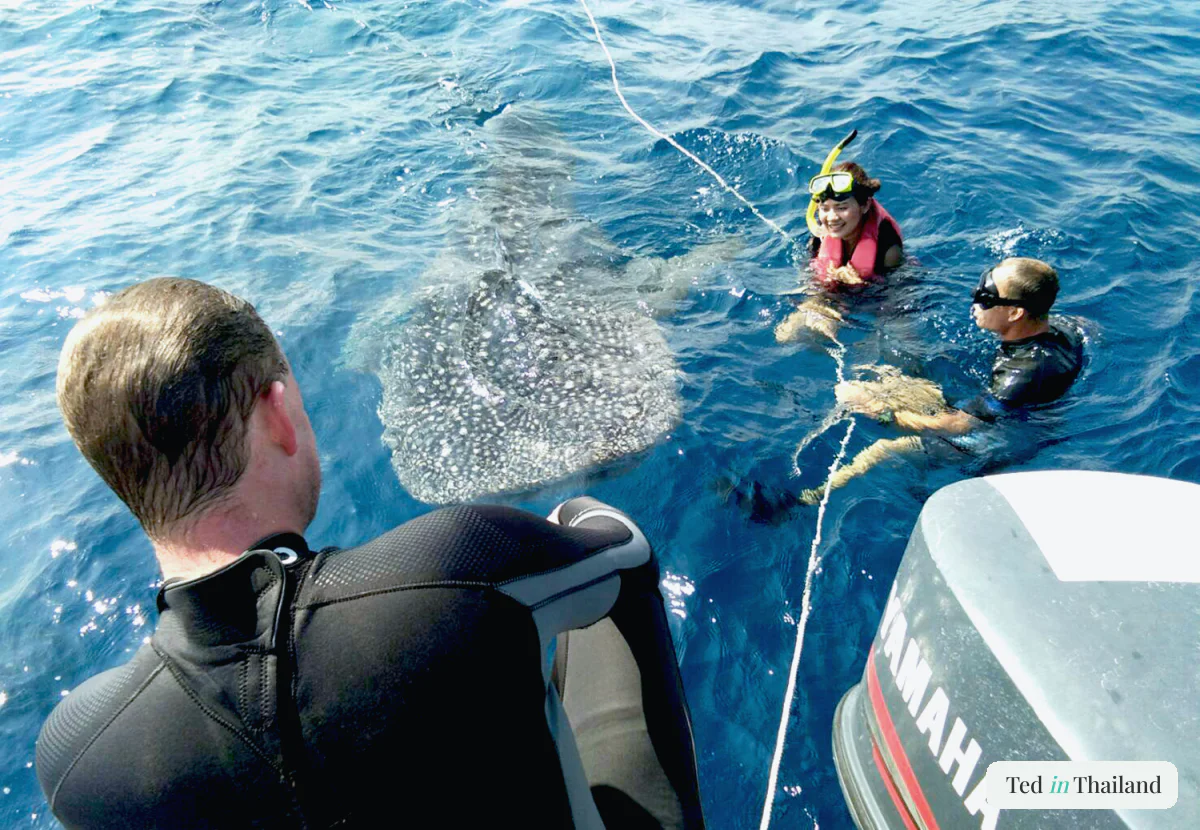
Most dive trips from Samui head to Koh Tao, which is the regional dive hub and one of the most popular (and affordable) places in the world to get certified. PADI Open Water courses on Koh Tao typically run 9,900 to 12,000 THB, and Discover Scuba sessions start around $60 to $120.
Your insurance needs to match what you're actually doing in the water:
- Recreational diving (Open Water certified, under 30m): Most standard travel policies cover this, but confirm the depth limit. Some cap at 30 meters, others at 40.
- Discover Scuba and training dives: Not all policies cover dives taken during a course. Some require you to be fully certified before coverage kicks in. Check this before you sign up.
- Technical or deep diving: If you're going beyond recreational limits, you'll need a specialist policy from DAN or DiveAssure.
There have been boat incidents in the Koh Tao area in recent years, including fires. If anything goes wrong on the water, photograph the vessel, get the crew's names and the company name, and call your insurer immediately. Those details make or break a maritime claim. My full scuba diving guide covers the dive schools, what to expect, and how to pick a safe operator.
Ziplines, Muay Thai & Other Adventure Exclusions

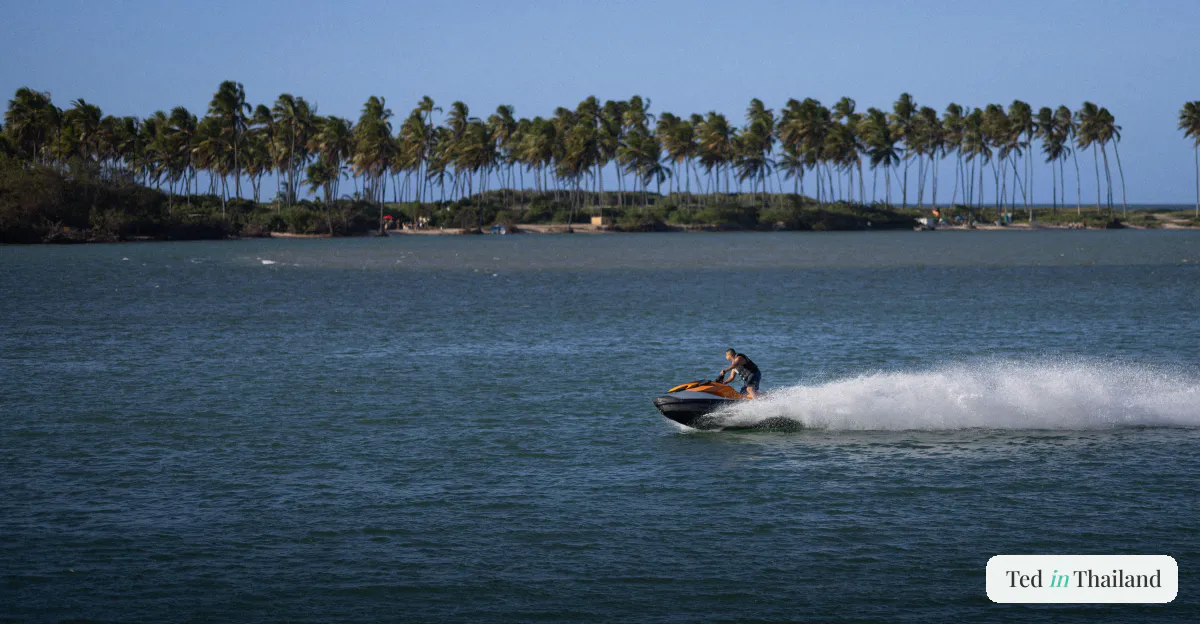
Koh Samui is packed with activities that standard insurance policies quietly exclude. Samui zipline courses, ATV tours through the jungle, Muay Thai training sessions, jet ski rentals, and boat tours all have the potential to land you in a clinic.
Most basic policies don't cover these without an adventure sports add-on. World Nomads tends to be the most generous here, covering Muay Thai training (not professional fighting), ziplines, and rock climbing on their Standard plan. SafetyWing's Adventure Sports add-on picks up some of these as well. For jet skis specifically, coverage is rare, and the scam risk alone makes me cautious about recommending unguided rentals.
If Something Goes Wrong: Claim-Proof Your Trip
If you do end up needing your insurance, how you handle the first hour matters more than you'd think. Here's the short version:
- Call your insurer's emergency hotline first. They'll direct you to an approved hospital and start the claims process. Bangkok Hospital Samui is accustomed to processing insurance claims daily.
- File a police report. For any accident, theft, or serious incident, you need a formal report with an incident number. Call 191 or the Tourist Police at 1155 for English support.
- Keep every single receipt. Ambulance, clinic visit, medication, taxi to the hospital. Photograph invoices. All of it matters for reimbursement.
- Document the scene. Photos of vehicle positions, road conditions, any injuries, and nearby CCTV cameras. If it involves a rental scooter, your pre-ride walk-around video becomes critical evidence.
You'll want working mobile data to reach your insurer the moment something happens, so check out my guide to the best SIM cards and eSIMs before you land.
Conclusion

Travel insurance for Koh Samui isn't one of those "nice to have" things you can gamble on. Between scooters, diving, adventure activities, and the reality that serious medical cases get airlifted to Bangkok, the right policy is the difference between a manageable situation and a financial disaster. Pick a provider that actually covers how you'll spend your time on the island, read the motorcycle and diving fine print before you buy, and save your insurer's emergency number right next to 1669. Then go enjoy the island. That's what it's here for.
If you're still mapping out the rest of the trip, my Ultimate Koh Samui Travel Guide is the place to start.
FAQ
Is travel insurance required to enter Thailand?
No, not currently. Thailand has been working toward a mandatory insurance requirement tied to a proposed 450 THB tourist entry fee, but as of late 2026 it hasn't been implemented. Regardless, carrying your own policy is strongly recommended for safety in Koh Samui and anywhere else in Thailand.
Will my travel insurance cover a scooter accident on Koh Samui?
It depends entirely on your policy and your license. Most providers require a valid motorcycle license (or endorsement) from your home country, an International Driving Permit, a helmet, and sobriety at the time of the accident. Genki Traveler is one of the few that covers light motorcycles up to 125cc without a motorcycle license. Always verify the specific terms before you ride.
What's the best travel insurance for diving from Koh Samui to Koh Tao?
For recreational diving under 30 to 40 meters, World Nomads and SafetyWing both offer coverage (check your plan's depth limit). For deeper dives, technical diving, or frequent divers, a specialist policy from DAN or DiveAssure is worth adding on top of your regular travel insurance.
How much does travel insurance for Thailand cost?
A two-week policy typically runs $40 to $120 depending on coverage level and age. SafetyWing's subscription model starts around $56 per 4-week cycle. World Nomads runs $80 to $120 per month for more comprehensive adventure coverage. Compared to a potential hospital bill of $3,000 to $15,000 for a single scooter crash, it's a straightforward calculation.
What should I do if I have a medical emergency on Koh Samui?
Call 1669 for an ambulance. Bangkok Hospital Samui has a 24/7 emergency room with English-speaking staff. Call your insurer's emergency hotline as soon as possible. Keep copies of your policy, emergency numbers, and passport info on your phone and in print. For police assistance in English, call the Tourist Police at 1155.
Does travel insurance cover Muay Thai, ziplines, and ATVs on Koh Samui?
Usually not on a basic plan. World Nomads covers Muay Thai training and ziplines on their Standard plan. SafetyWing offers an Adventure Sports add-on for additional activities. Always check the specific activity list before purchasing.
