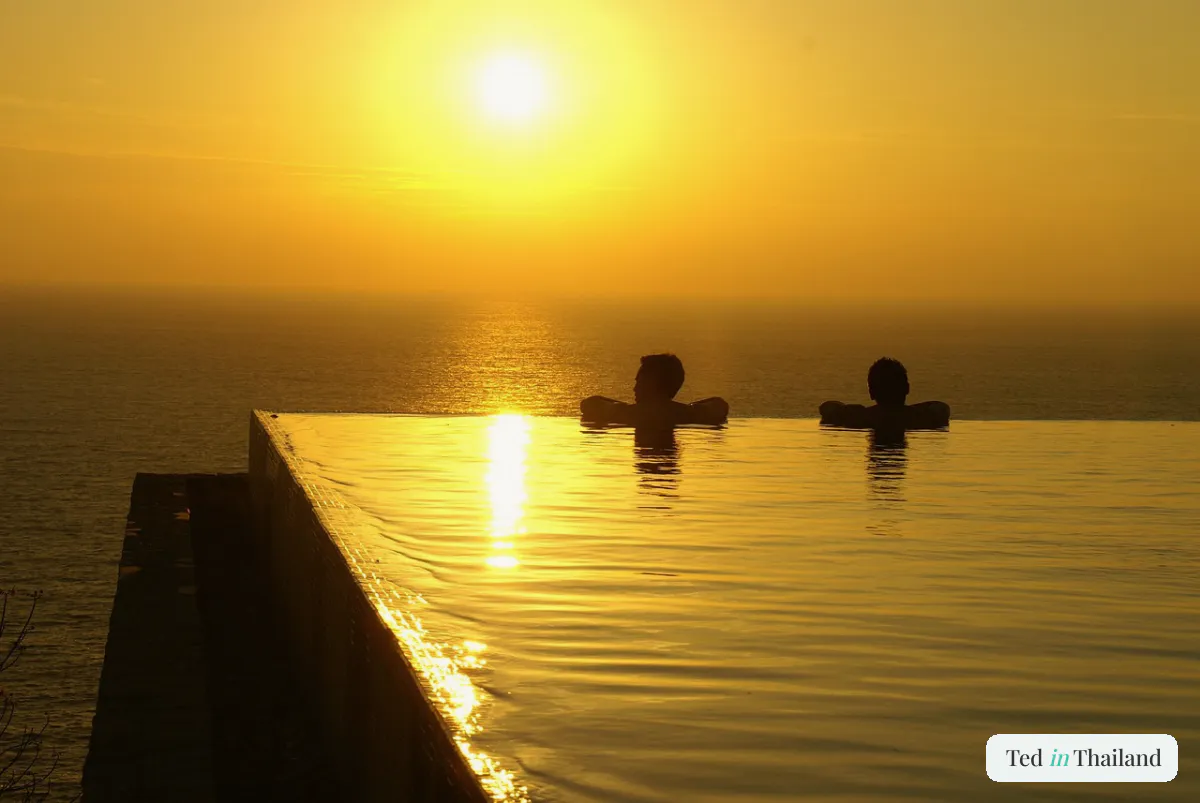
Where to Stay in Koh Samui: Extended Hotel Guide 2026
Every area, every budget, one island: the only Koh Samui hotel guide written by someone who actually lives here.

- Pick your area before your hotel because neighborhood drives 60 to 80 percent of the trip experience
- Chaweng for nightlife, Bophut for walkable dining, Choeng Mon for calm family beaches, Maenam for value
- Pool villas split among couples or families often beat hotel rooms on per-person cost
- Peak season runs November through March so book three to nine months ahead for the best rooms
- Always verify villa bookings through established platforms and request the total all-in price upfront
Koh Samui has something like 1,500 places to sleep, ranging from 250-baht dorm bunks on a Chaweng side street to private-island villas where the nightly rate could cover a used car. That spread is exactly what makes picking the right accommodation so important and, honestly, so fun.
I've been living on this island for over eight years now, and the single biggest lesson I've learned about helping friends plan trips is this: the area you stay in matters more than the hotel you book. A beautiful resort in the wrong location can leave you taxi-dependent and frustrated. A modest beachfront guesthouse in the right area can make your entire holiday feel effortless.
This guide is built around that principle. I'm going to walk you through every major area on the island, give you real hotel picks across every budget, and make it easy for you to zero in on the best Koh Samui accommodation for your trip. Whether you're booking a honeymoon suite, a family villa, or a backpacker bunk, I'll point you to exactly where you should be looking.
I've also got dedicated deep-dive guides for specific categories (luxury resorts, boutique hotels, hostels, private villas, and individual hotel reviews), and I'll link to those along the way. Think of this guide as your map of the whole island's hotel landscape, and the deep-dives as your zoom-in lens when you're ready to book.
Let's get into it.
Pick Your Area Before You Pick Your Hotel
This is the rule I give everyone. Area choice drives about 60 to 80 percent of how your trip actually feels.
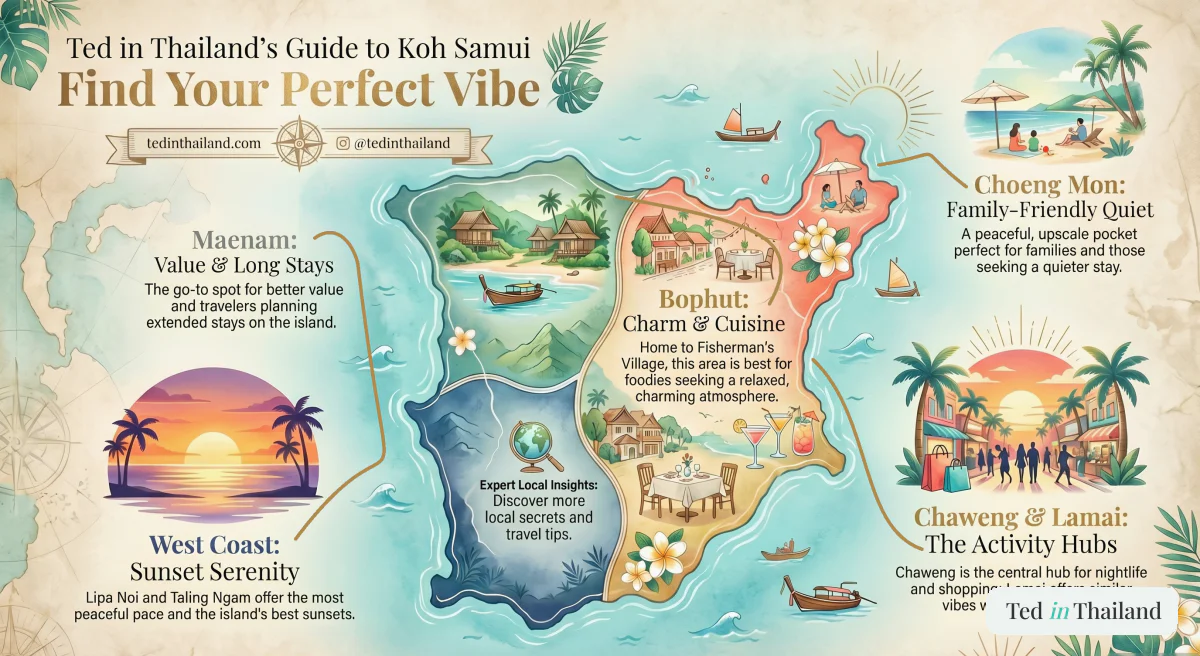
Here's the fastest way to think about it:
- Want nightlife, restaurants, and the biggest beach? Chaweng.
- Want walkable dining, night markets, and a boutique vibe? Bophut and Fisherman's Village.
- Want calm water, family-friendly sand, and quiet mornings? Choeng Mon.
- Want the most beach for your baht and a relaxed pace? Maenam or Bang Por.
- Want a balance of activity and calm without the Chaweng crowds? Lamai.
- Want jaw-dropping sunsets and villa privacy? Lipa Noi or Taling Ngam.
- Want easy access to ferries and island-hopping? Bangrak.
Every area has great stays at multiple price points. The rest of this guide breaks each one down so you can match your priorities to the right part of the island.
If you want the geography behind these choices — how the coasts differ, where the mountains sit, why the west side is so quiet — I break all of that down in my Koh Samui geography guide.
Ted's Tip
Don't pick a hotel first and then figure out where it is on the island. Pick the area first, then sort by budget. I've watched friends book a gorgeous resort on the quiet west coast and then spend half their holiday in taxis trying to get to Chaweng for dinner. Decide what kind of holiday you want, then match the neighborhood.
What Your Baht Actually Buys: Samui's Four Price Bands
Prices on Koh Samui swing hard with the seasons. Peak season (roughly November through March) pushes rates up dramatically, especially during the Christmas-to-New-Year crunch. Low season (May through October) is where the deals live, and honestly, many of those months still deliver plenty of sunshine.
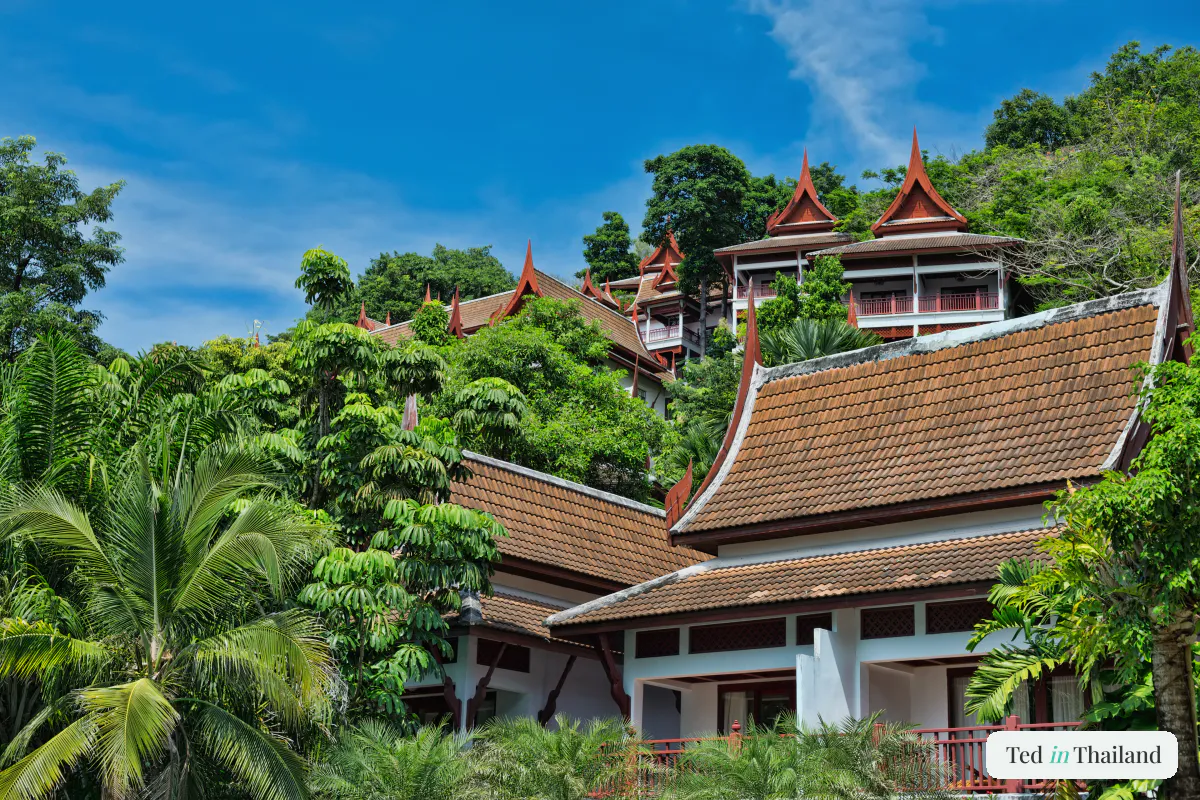
Here's how the price bands break down for a standard double room or equivalent:
- Budget / Backpacker (under 1,500 THB): Dorm beds run 250 to 800 THB per night, with fan rooms and basic bungalows in the 400 to 900 THB range. Private AC rooms at budget hotels sit around 900 to 1,500 THB. Chaweng has the most hostel options, but Maenam and Lamai offer quieter value.
- Mid-Range (1,500 to 5,000 THB): This is where most visitors land. Comfortable rooms with pools, decent breakfasts, and beachfront access. Expect the lower end of this band in low season and the upper end during peak weeks. Bophut's boutique hotels and Choeng Mon's family resorts live here.
- Upper Mid-Range and Boutique (5,000 to 15,000 THB): Pool villas, beachfront suites, spa resorts, and upscale boutique properties. This band gets you a genuinely excellent stay at places like SALA Choengmon (from around 3,500 THB), Hansar Samui (from around 4,500 THB), or Silavadee (from around 6,000 THB).
- Luxury (15,000 THB and up): Private pool villas at branded resorts. Conrad Koh Samui starts around 12,000 THB for villa categories. Six Senses begins around 20,000. Four Seasons starts around 50,000. The private-island experience at Cape Fahn pushes past 25,000. At this level, you're paying for privacy, staffing ratios, and the kind of views that make you forget what day of the week it is.
One thing worth knowing: a two-bedroom pool villa split between two couples often works out cheaper per person than two separate mid-range hotel rooms, and you get a private pool and a kitchen. The villa math can be surprisingly good.
Ted's Tip
If you're visiting between May and October, you can often score rooms at a 30 to 50 percent discount compared to December rates. Book directly with the hotel and ask if they'll include breakfast or airport transfer. Smaller properties almost always have flexibility to sweeten the deal during quieter months.
Chaweng and Chaweng Noi: The Island's Engine Room
Chaweng Beach is the biggest, busiest, and most well-known beach on Koh Samui. It's the island's commercial heart, and if you want the widest selection of restaurants, the most nightlife, and the longest stretch of sand, this is where you go. The beach itself is good, the water is swimmable, and you can walk from your hotel room to dozens of dining options without ever needing a taxi.
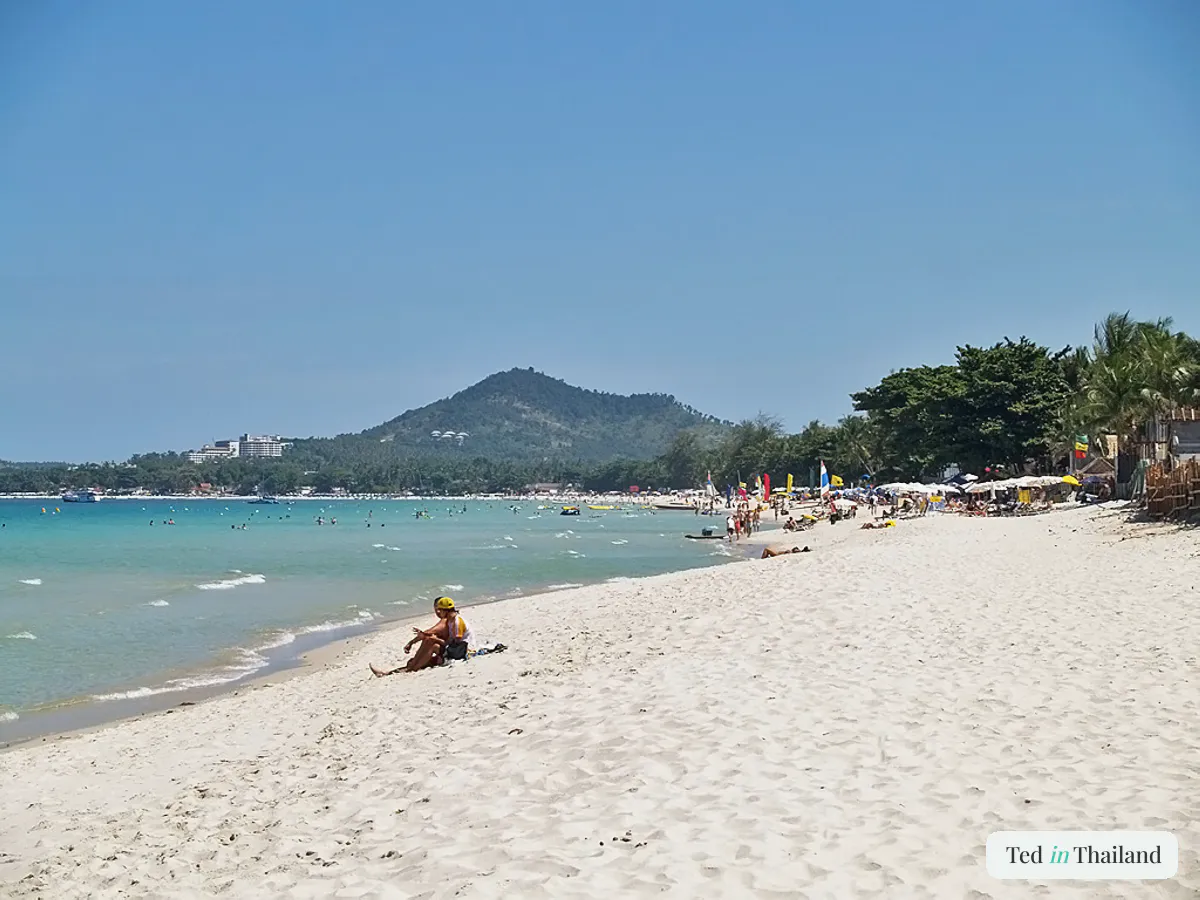
The tradeoff? Noise. Central Chaweng can get loud at night, especially near the bar and beach-club strip. If you're a light sleeper, pay attention to room placement. Hotels near beach clubs sometimes catch late-night music, so requesting a room facing away from the main deck is a move that consistently saves people's sleep.
Chaweng Noi, tucked just south, is the quiet-but-close alternative. You get a calmer beach with better swimming conditions, and you're still just a five-minute drive from everything Chaweng offers. It's become a popular spot for families and couples who want proximity without the party.
Hotels worth knowing in Chaweng (by budget)
Budget: Al's Resort sits right on Chaweng beach and delivers solid beachfront value. The Briza Beach Resort is a dependable mid-budget family option with direct sand access. Both have dedicated reviews in my Chaweng guide.
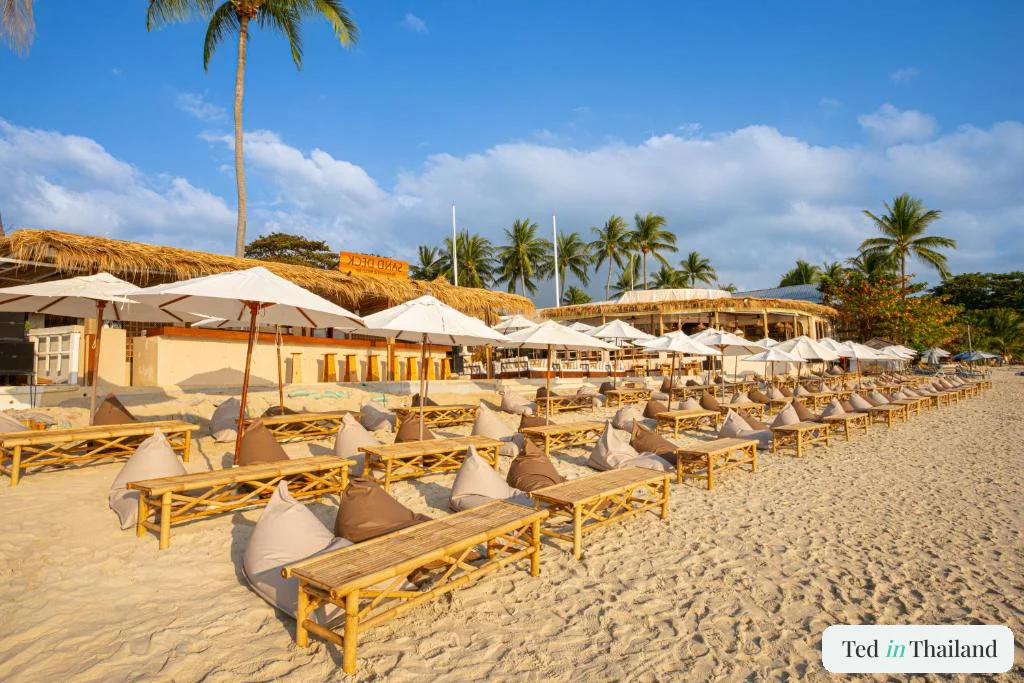
Mid-Range: Bandara Resort and Spa (3,000 to 9,000 THB) is a consistent pick for families, with large pool areas and a quieter position on the north end of Chaweng. Avani Chaweng (3,000 to 10,000 THB) gives you modern rooms and a beach club atmosphere. KC Grande Resort (2,500 to 9,000 THB) is worth a look for its pool villas if you're traveling with kids. Buri Rasa Village is a boutique beachfront gem that gets praised for its intimate feel.
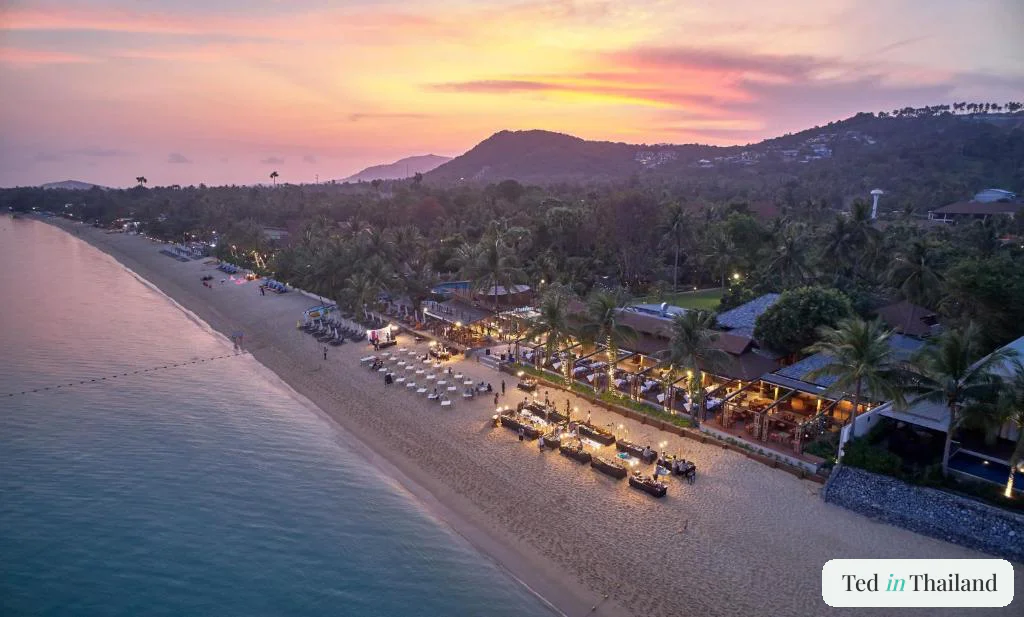
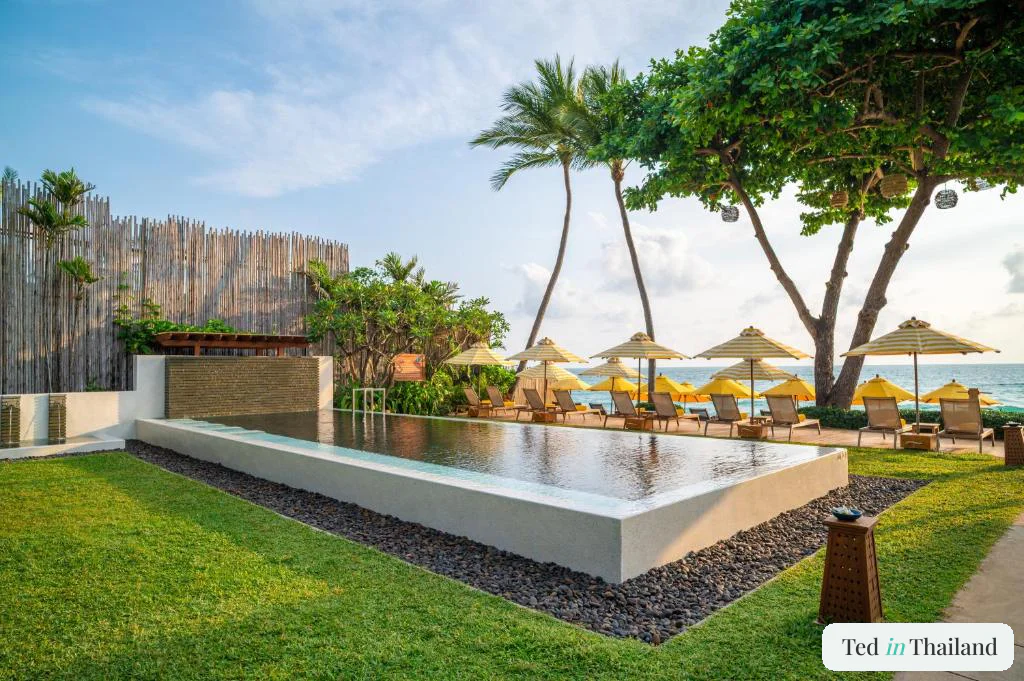
Upper: SALA Samui Chaweng Beach (6,000 to 22,000 THB) offers pool villas, strong food, and a design-forward layout that feels calmer than you'd expect for a Chaweng address. Centara Reserve Samui delivers reliable branded luxury with family programming and multiple pools.
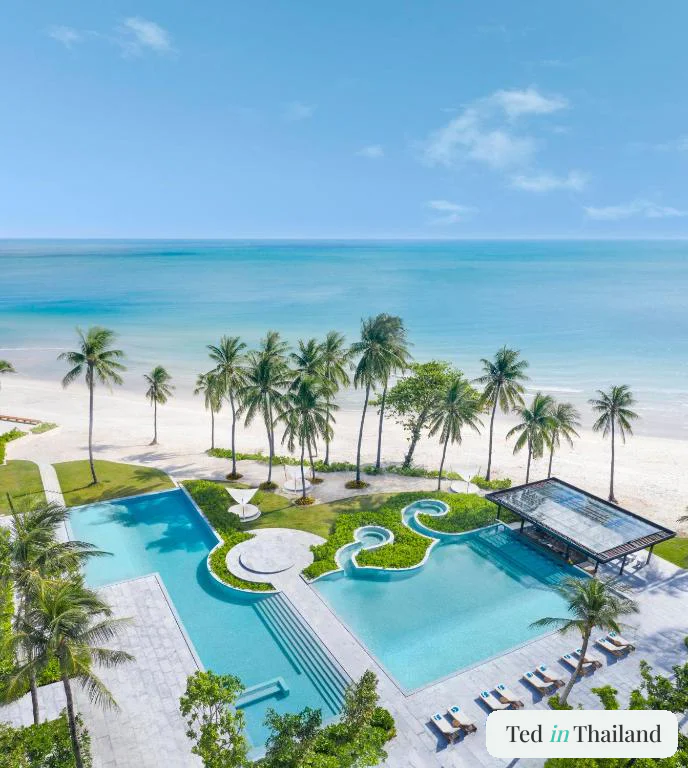
Chaweng Noi luxury: The Sarann Hotel is a quiet mid-range find here. Silavadee Pool Spa Resort (6,000 to 20,000 THB) sits on the cliffs just south and is repeatedly praised for its private pool rooms, spa, and total serenity. Vana Belle (7,000 to 25,000 THB) is another strong pick with excellent breakfast and immediate beach access, though its small inventory means peak-season rooms sell out fast.
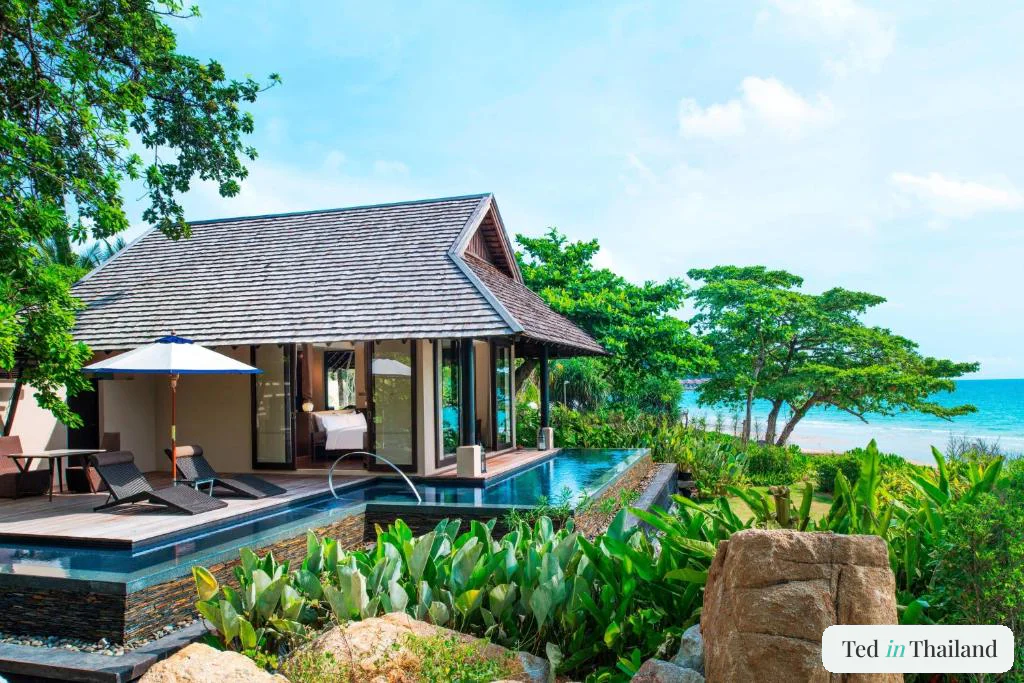
I've got a full Chaweng Beach guide with individual hotel breakdowns if you want the deep dive.
Ted's Tip
If you book a Chaweng hotel near a beach club (Avani's is the main one), ask the hotel before you arrive to confirm which room block is furthest from the music deck. One email before booking can be the difference between sleeping like a baby and wondering if the DJ takes requests for silence.
Bophut and Fisherman's Village: The Best Walkable Base on the Island
If I had to pick one area to recommend to first-time visitors who want a little bit of everything, Bophut would be it. And more specifically, the stretch around Fisherman's Village in Koh Samui.
Here's what makes it special: you can walk to dinner. That sounds simple, but on an island where most areas require a scooter or taxi to reach a good restaurant, having a lineup of beachfront dining spots, a lively night market, and boutique shops all within a 10-minute stroll is a legitimate luxury. The Fisherman's Village night market runs in the evenings and it's one of the best food-and-atmosphere combos on the island. Street food, live music, local crafts, and the kind of relaxed energy that makes you forget you're on vacation and start fantasizing about moving here.

The beach at Bophut is pleasant without being Koh Samui's showstopper. It's more about the neighborhood than the sand. The vibe is quieter than Chaweng, more polished than Maenam, and significantly more walkable than almost anywhere else.
Hotels worth knowing in Bophut (by budget)
Budget: Ibis Samui Bophut (1,500 to 4,500 THB) is a strong value pick with walkable access to the night market. The rooms are basic Ibis-standard, but Accor member rates and shoulder-season sales make it a genuine bargain. Upgrade to the superior sea-view or family room for more space.
Mid-Range: Deva Beach Resort is a solid mid-budget beachfront option. Fair House Villas and Spa (3,000 to 9,000 THB) delivers a boutique garden feel with private pool villas, and it's a favorite for couples who want quiet luxury near the village. Hansar Samui (4,500 to 12,000 THB) sits on the Choeng Mon fringe and gets consistent praise for modern facilities and a quiet reef-protected beach.
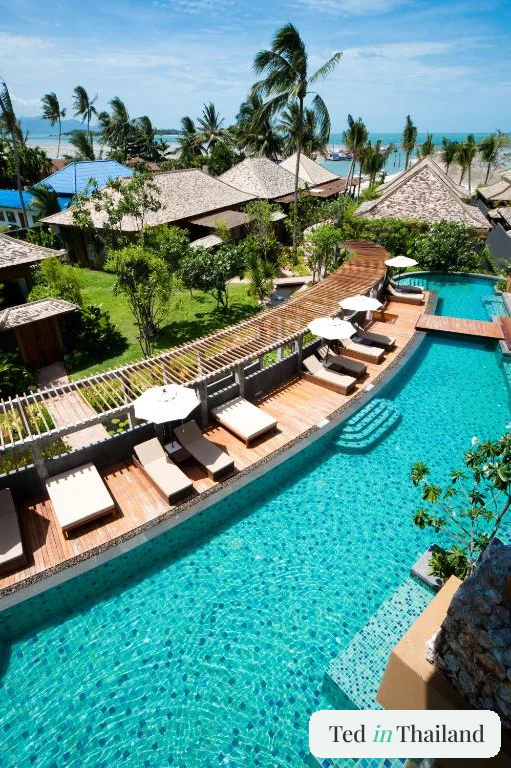
Upper/Boutique: Zazen Boutique Resort and Spa (4,500 to 14,000 THB) is the romantic pick, with intimate beachfront dining and gardens that couples rave about. Karma Resort (6,000 to 20,000 THB) gives you a compact, whitewashed boutique experience with direct sand access and a stroll to Fisherman's Village restaurants. Anantara Bophut delivers upscale resort service with a kids' club and walkable market access, making it one of the better family-luxury combos on the island.
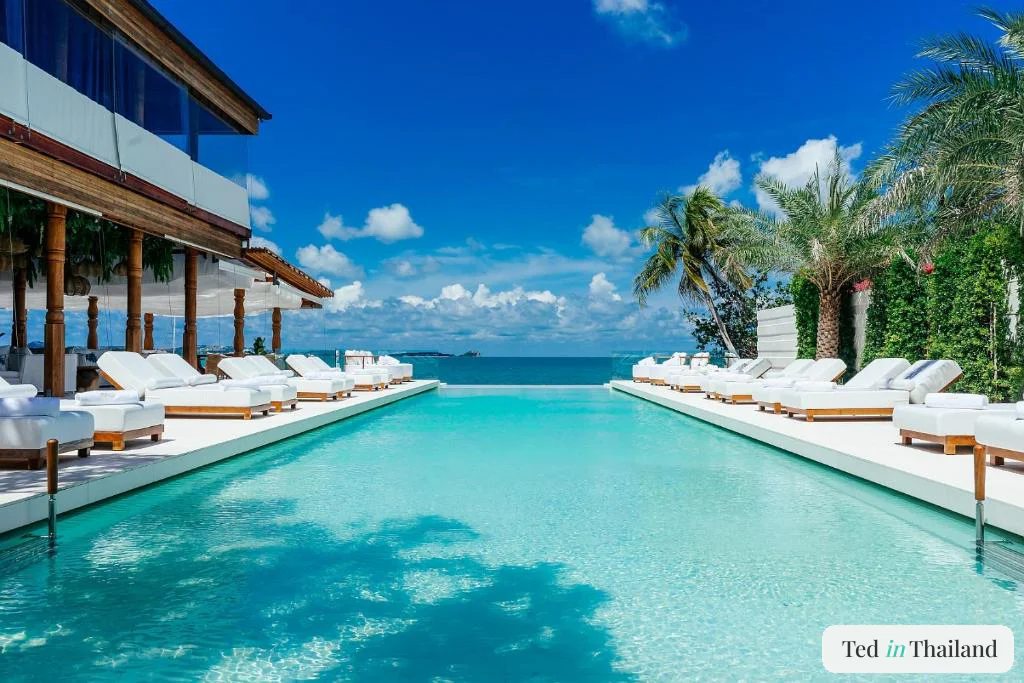
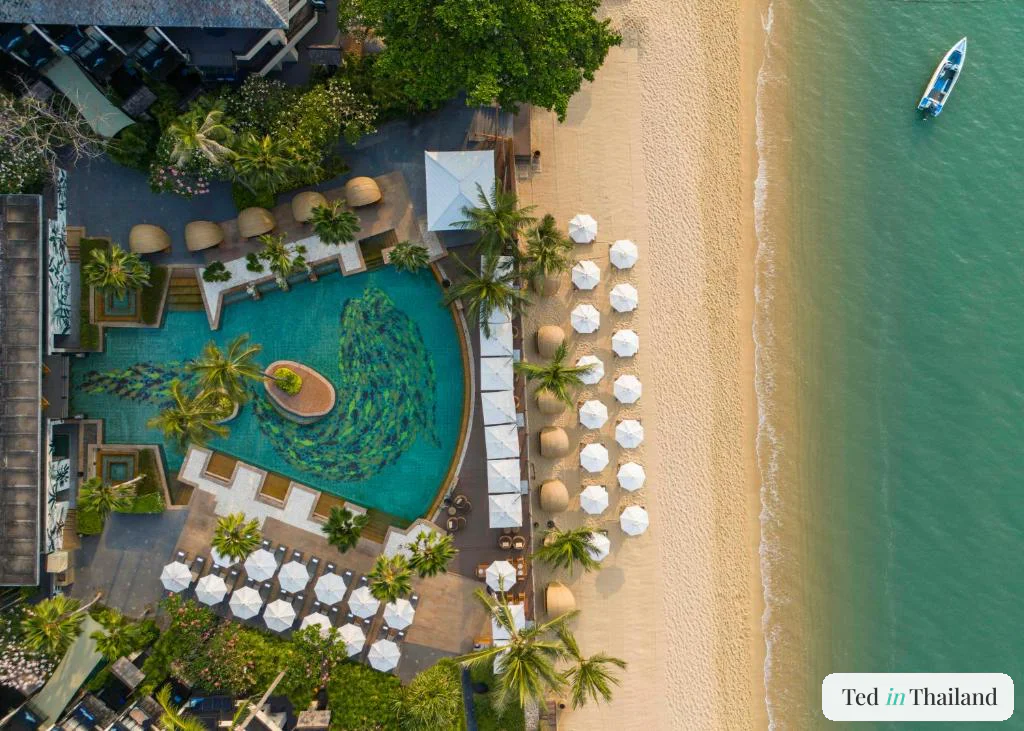
I've got full reviews of the Celes Beachfront Resort, Anantara Bophut, and Hansar Samui in their own dedicated guides.
Ted's Tip
If you're staying in Bophut, ask your hotel which nights the Fisherman's Village night market runs during your visit. Then plan at least one dinner there, grab a coconut ice cream from one of the stalls, and just walk. It's one of those evenings that costs almost nothing and becomes one of the best memories of the trip.
Choeng Mon and Plai Laem: Calm Water, Close to Everything
Choeng Mon Beach sits on a protected bay on the northeast corner of the island, and it's one of those areas that quietly delivers exactly what a lot of travelers actually want: calm, shallow water that's safe for kids, a peaceful morning atmosphere, easy proximity to the airport, and a short drive to both Chaweng and Bophut when you want to venture out.

This is the area I most often recommend to families and honeymooners. The beaches are smaller than Chaweng, but they're usually cleaner, less crowded, and the swimming conditions are more reliable for little ones. Choeng Mon is also close to Plai Laem, which puts you near Wat Plai Laem and the Big Buddha if you want a cultural morning without much driving.
Hotels worth knowing in Choeng Mon (by budget)
Mid-Range: SALA Samui Choengmon Beach Resort (3,500 to 11,000 THB) is repeatedly recommended for families who want calm sand, pool villas, and a short drive to Bophut. Direct bookings sometimes include spa credits or breakfast upgrades. Melati Beach Resort is a smaller family property with children's programming and safe beach access for toddlers, often cheaper than the big branded resorts.
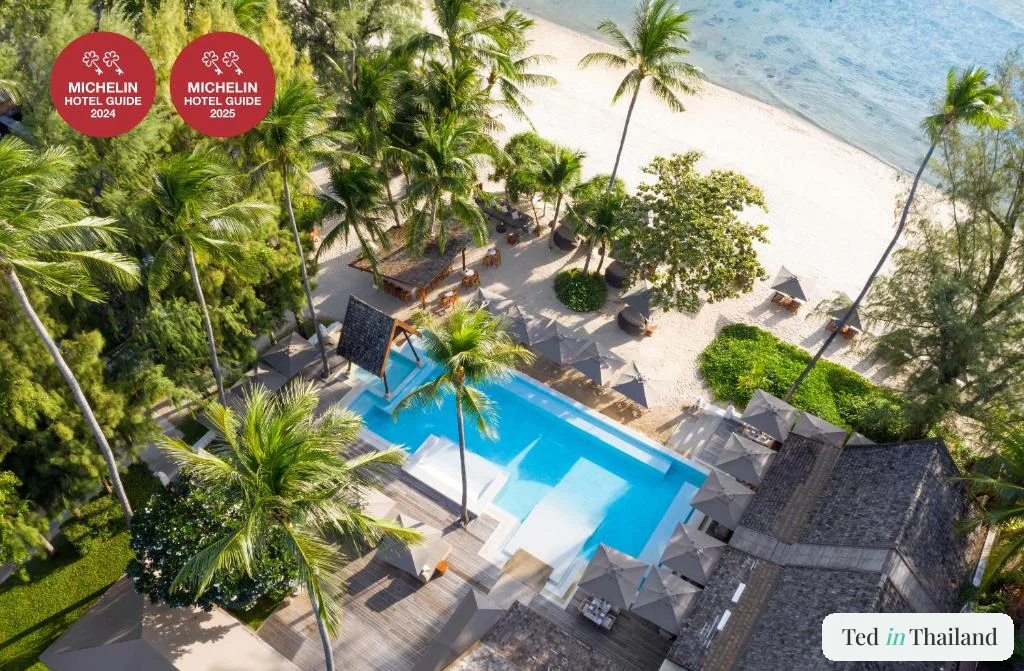
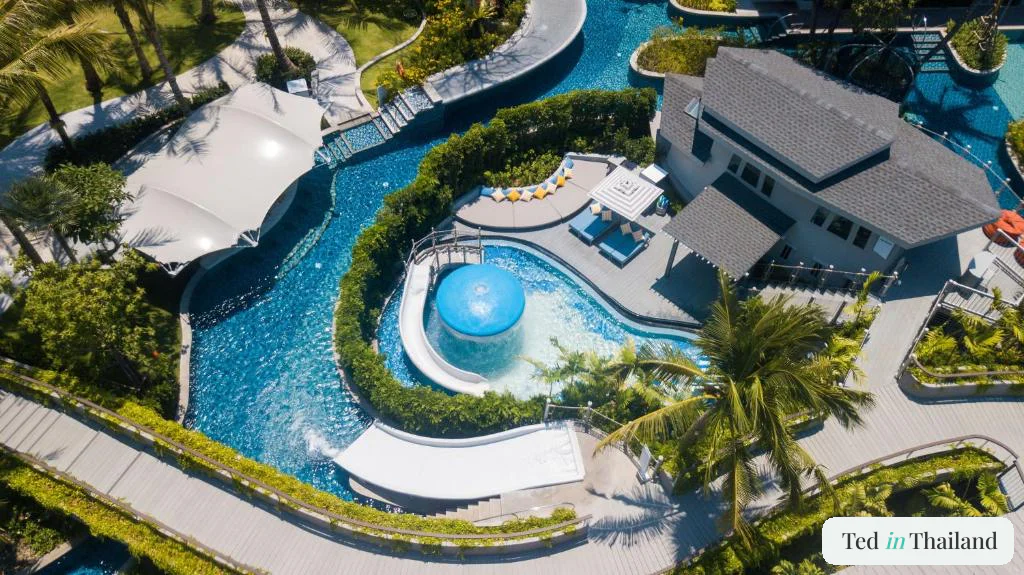
Upper: Melia Koh Samui (5,000 to 18,000 THB) is the standout family-resort pick in this area. Their "Kidsdom" program runs daily supervised activities, the loop pool system is parent-approved for easy supervision, and family suites are available (book early, limited inventory). Kimpton Kitalay Samui is the newer IHG luxury entry here, with a full beach club, multiple F&B outlets, and kids' programming that makes it work for families even though it's got the design-forward look of a couples' resort.
Luxury: Cape Fahn Hotel occupies a tiny islet just off the bay. Access alternates between a short ankle-deep wade at low tide and a hotel-provided boat transfer at higher tide. It's genuinely one of the most unique stays in all of Thailand. Rates start around 25,000 THB, and the private-island atmosphere is the real deal. It fits romance-seekers perfectly, though it's not ideal if uninterrupted beach swimming is your top priority.
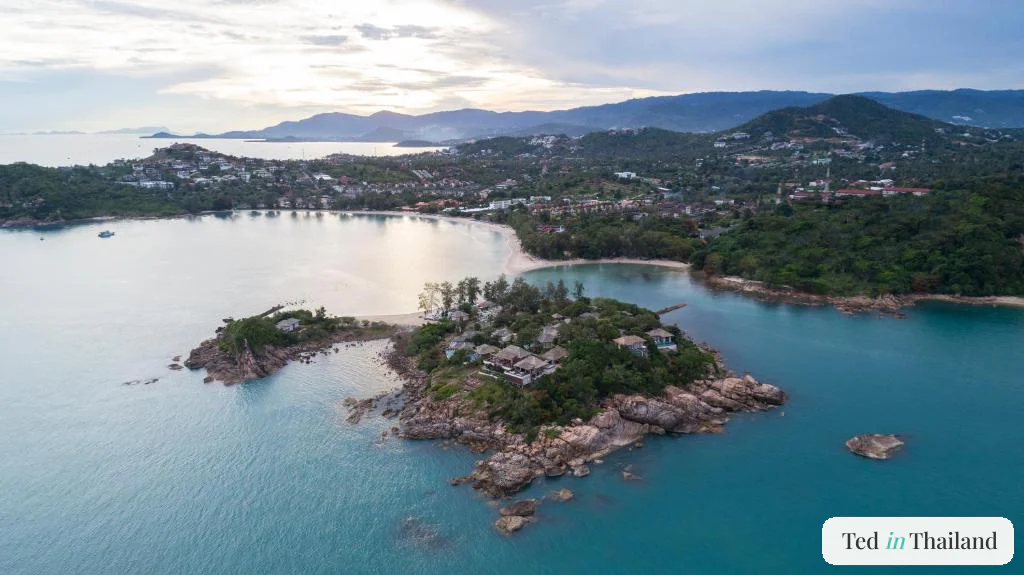
I've written dedicated deep-dive reviews for Kimpton Kitalay, SALA Choengmon, Melia Koh Samui, Cape Fahn, and Six Senses Samui (which sits on the Plai Laem promontory nearby, starting around 20,000 THB, with wellness programming and multi-level pool villas that are worth a look for wellness-focused travelers).
If you're travelling with kids and want the shortlist rather than the whole island, I ranked the best options in my family-friendly hotels guide.
Ted's Tip
If you're booking accommodation for families in Choeng Mon, request a ground-floor room or a unit closest to the kids' club. With little ones, the 200-meter difference between your room and the pool can feel like a marathon, and Choeng Mon properties tend to be spread out. One email before booking solves it.
Maenam and Bang Por: Where Your Money Goes Furthest
Maenam Beach is the north coast's quiet achiever. It has one of the longest stretches of sand on the island, a more local and residential feel, and consistently lower prices than Chaweng or Bophut. If you're planning a longer stay, watching your budget, or simply prefer your mornings without a soundtrack of jet skis and beach vendors, Maenam is your spot.
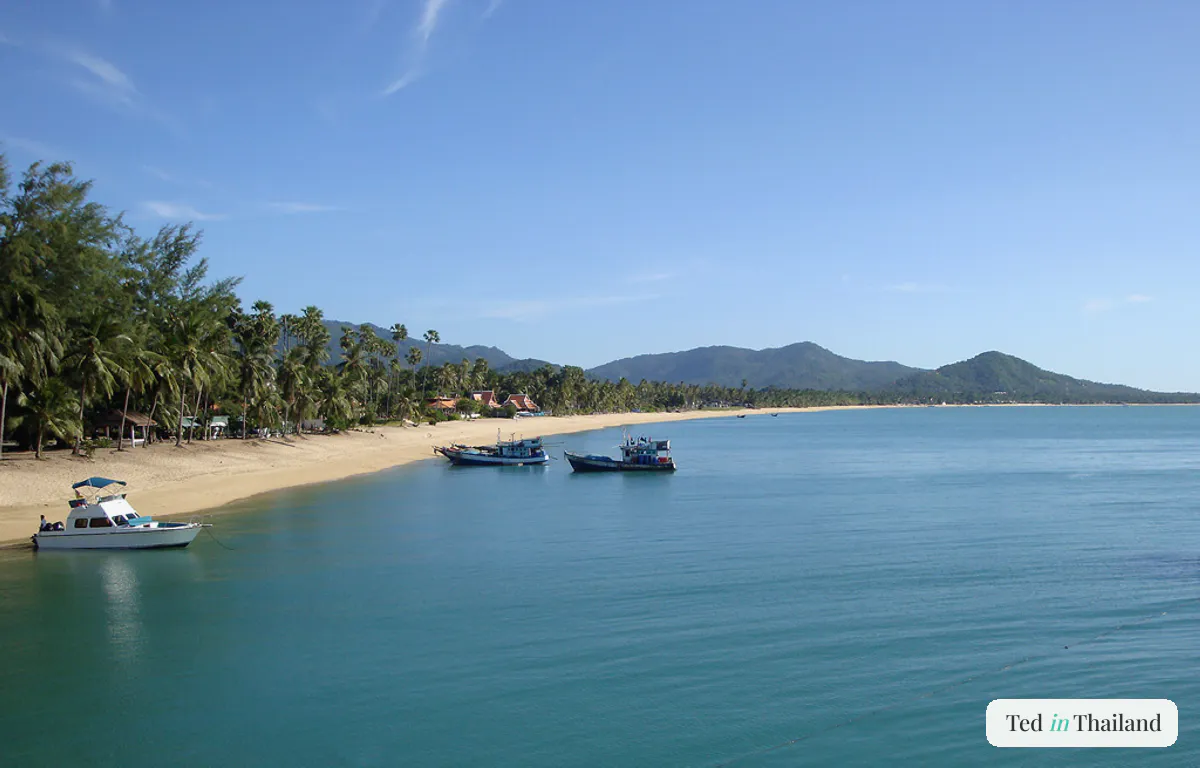
Bang Por Beach, just west of Maenam, is even quieter. It's one of those shorelines where you might have a long section of sand entirely to yourself on a weekday morning. Great for anyone who values space and solitude.
The honest tradeoff here is that you'll need wheels (scooter or taxi) to reach restaurants and nightlife in Chaweng or Fisherman's Village. Maenam has its own small morning market near the pier and scattered local eateries, but the area doesn't have the walkable dining density of Bophut.
Hotels worth knowing in Maenam (by budget)
Budget: Escape Beach Resort (from around 1,500 THB) and Paradise Beach Resort Samui Mae Nam both show up in budget threads as reliable, cheerful, beachfront options. Samui Spa Resort and Peace Resort (2,000 to 7,500 THB) are popular with long-stay travelers who value tranquility and good value. Weekly and monthly rates are commonly negotiable.
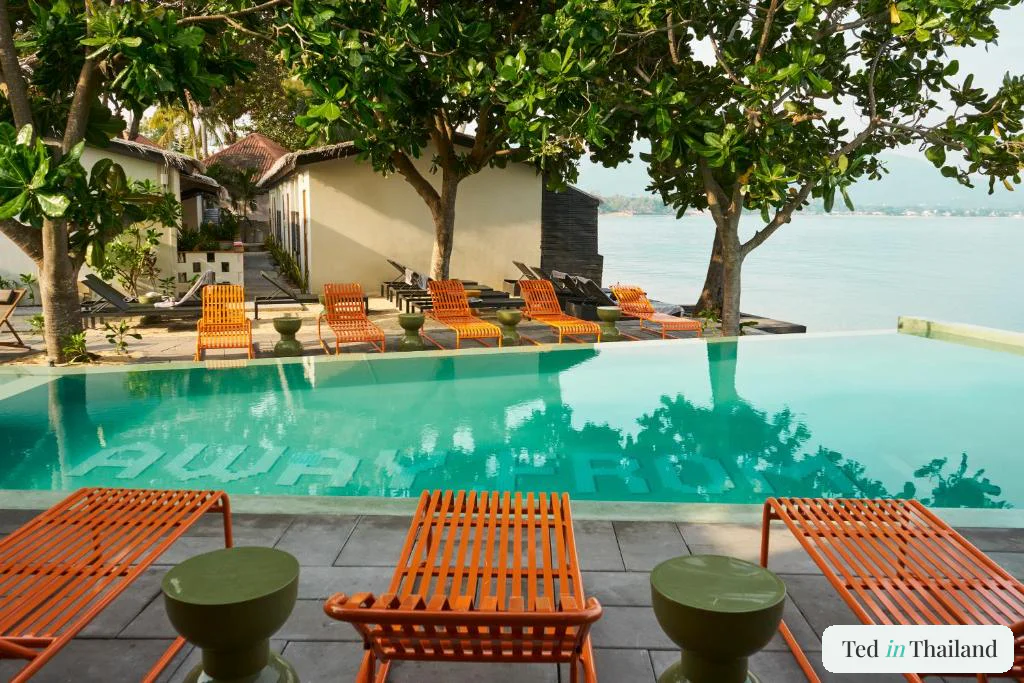
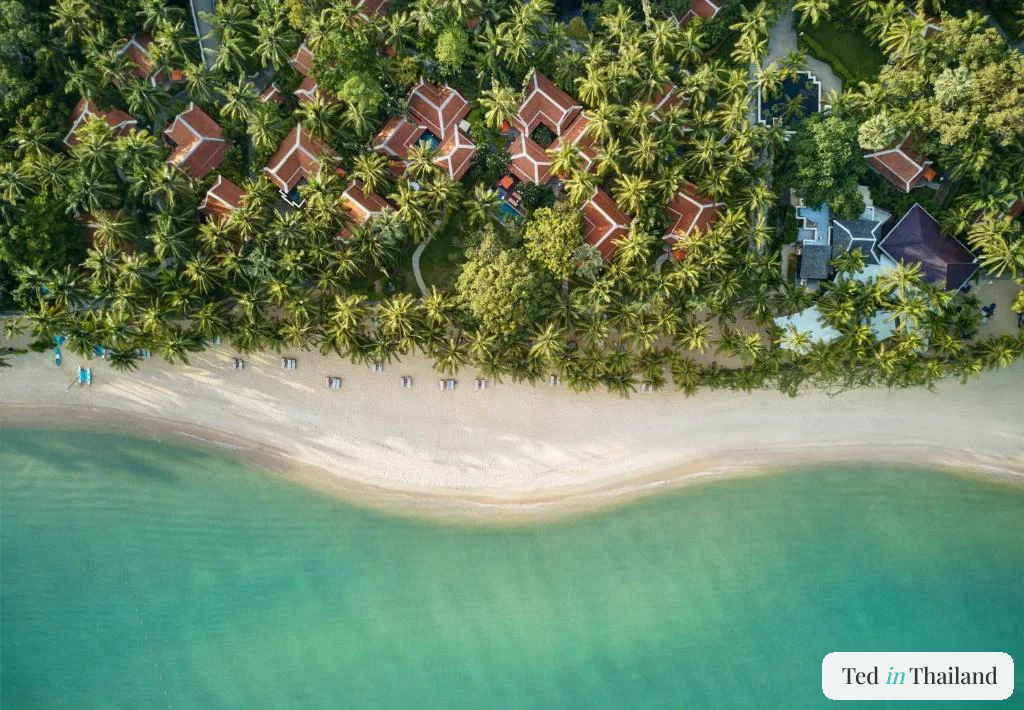
Mid-Range to Upper: Santiburi Koh Samui (4,500 to 14,000 THB for mid-range tiers, up to 30,000 for estate villas) is the area's flagship property. The estate villas are excellent for multi-generational family trips, and the on-site tennis courts and golf facilities are a genuine differentiator. Villa categories consistently get the best reviews; standard rooms are less remarkable.
Luxury: W Koh Samui sits on the Maenam coast and delivers the design-forward, energetic luxury experience that the W brand is known for. It's a different flavor than the quiet estates nearby.
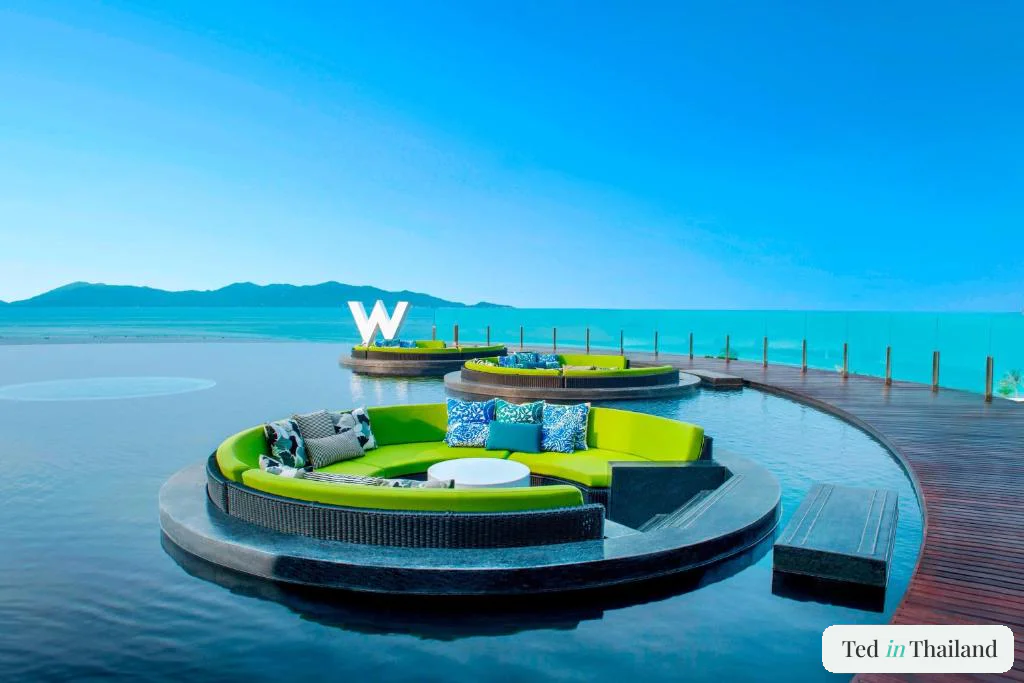
There's a full guide to Maenam Beach and a dedicated Santiburi review in the works. For now, the short version: if quiet mornings and long beach walks are your priority, Maenam overdelivers.
Ted's Tip
If you're staying in Maenam for a week or more, contact the hotel directly and ask for a long-stay rate. Many properties here will discount nightly rates by 30 to 50 percent for multi-week bookings, especially during May through October. A polite email or WhatsApp message in advance works wonders.
Lamai: The Middle Ground Everyone Underrates
Lamai is the answer to the question nobody asks loudly enough: "What if I want more life than Maenam but less chaos than Chaweng?"
Lamai Beach in Koh Samui is a solid, wide stretch of golden sand with good swimming in calm months, a compact town with real restaurants (not just tourist traps), a walking street night market, and enough evening activity to keep things interesting without the full Chaweng volume. It's the area I point people toward when they tell me they want "a beach vacation with some personality."
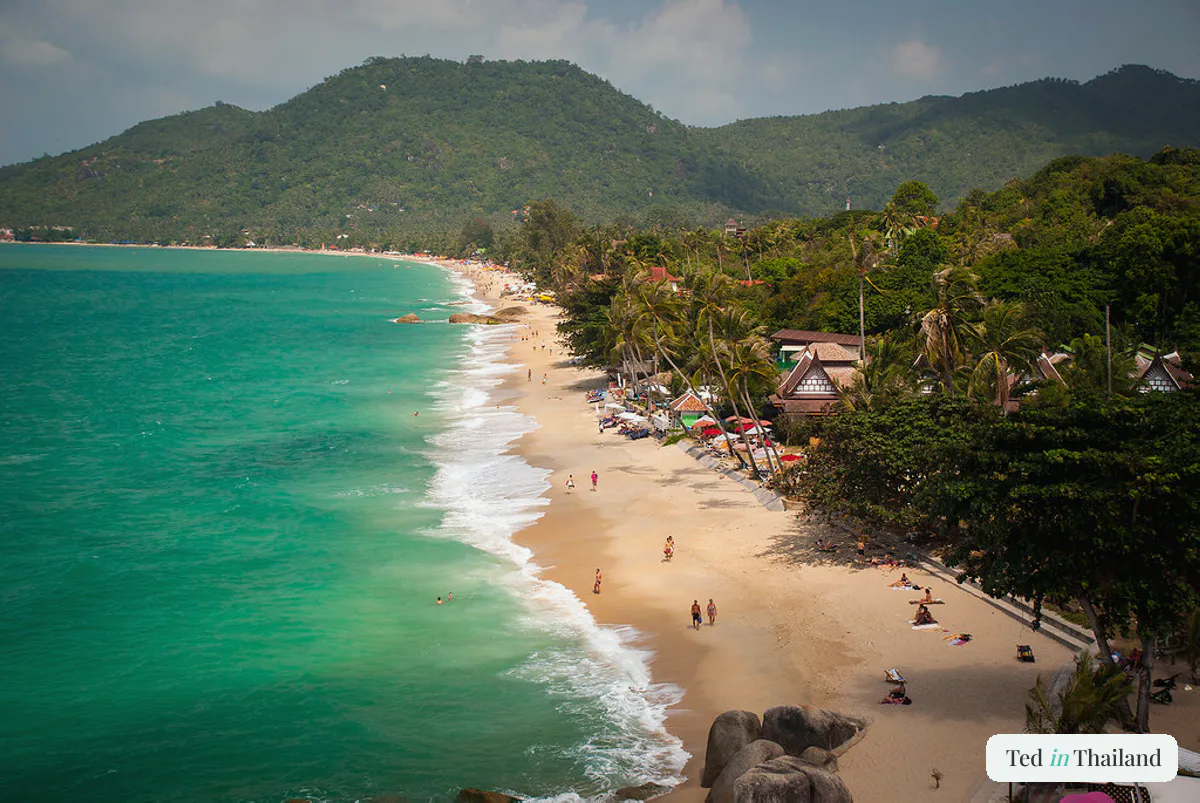
The hotel market here tilts toward mid-range and upper-mid properties, with a few seriously impressive cliffside luxury options nearby. Lamai is also slightly more affordable than Chaweng for comparable room quality, which makes it a smart play for budget-conscious travelers who don't want to sacrifice beach access.
Hotels worth knowing in Lamai (by budget)
Mid-Range: Lamai's mid-range scene delivers strong value. KC Grande variants (2,500 to 8,000 THB) are practical and family-oriented with large pool villas. Anantara Lawana (3,500 to 10,000 THB) provides beachfront villas and suites with an upscale feel at mid-range pricing. Accor and Anantara loyalty programs can make the net cost even better.
Luxury: Banyan Tree Samui (12,000 to 40,000 THB) technically sits just south in Lipa Noi territory but draws from the greater Lamai orbit. The Asian-style villas are large and very private, with strong sunset views from higher-elevation rooms. The terrain is steep and buggy-dependent, which is worth knowing if mobility matters to you. Silavadee Pool Spa Resort, perched on the cliffs between Chaweng Noi and Lamai (6,000 to 20,000 THB), delivers spectacular private pool rooms and a spa experience that people fly back for.
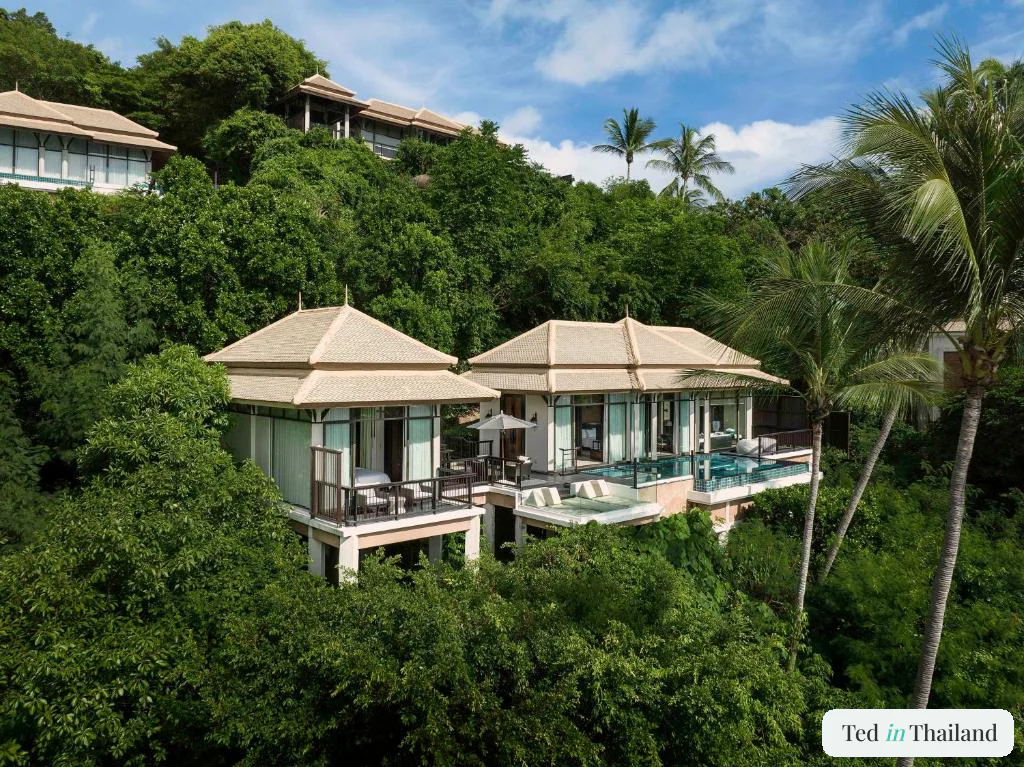
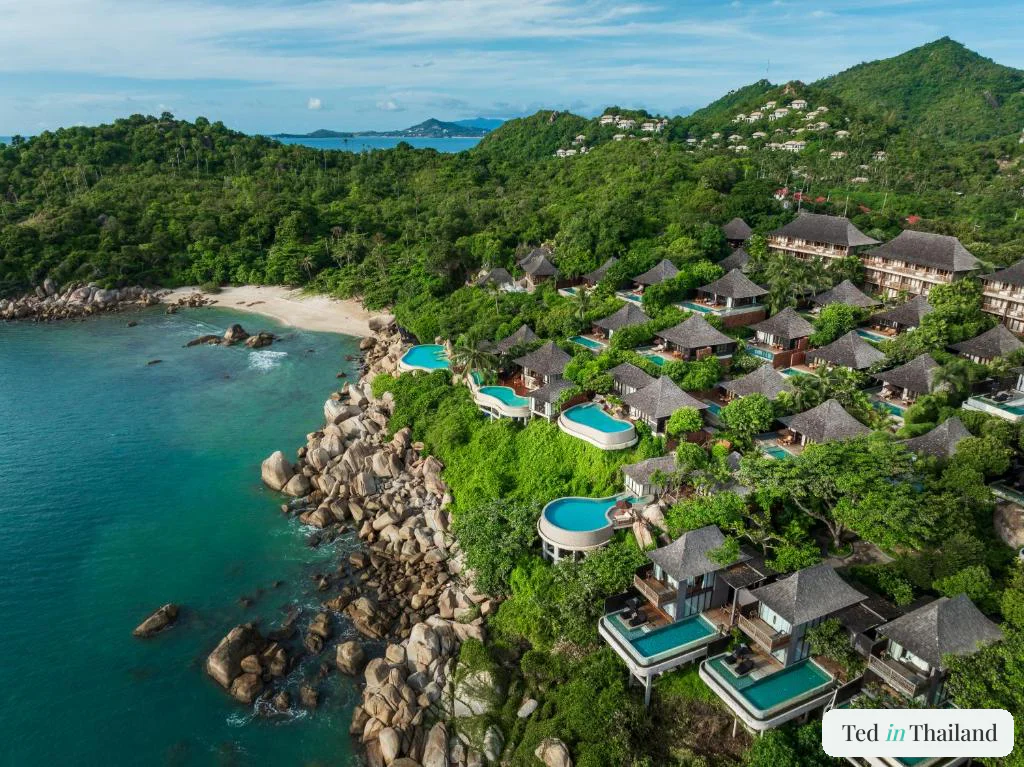
I have a full Lamai Beach guide and a dedicated Banyan Tree Samui review available for deeper reading.
Ted's Tip
Lamai's night market and walking street deserve an evening. It's smaller and more local-feeling than Fisherman's Village, with excellent seafood BBQ stalls. If you're based in Lamai, don't default to driving to Chaweng for dinner every night. Some of the best meals I've had in eight years on this island have come from a 100-baht plate at a Lamai stall.
Bangrak, Big Buddha, and Nathon: The Logistics Bases
These three areas aren't where most people dream about staying, and I'll be honest about that. But they serve a real purpose, and if your trip involves ferry connections, island-hopping to Koh Phangan or Koh Tao, or early/late flights, basing yourself here for a night or two can save serious time and money.
Bangrak (also called Big Buddha Beach) sits right next to the Big Buddha temple and the piers that run boats to Koh Phangan. The beach itself is broad and golden with a shallow shelf, though boat traffic near the pier means you'll want to swim away from the mooring points. The area has convenience shops, local eateries, and functional budget stays. Small beachfront apartments in Bangrak run $60 to $140 per night, many with kitchenettes and AC. It's practical, not glamorous.
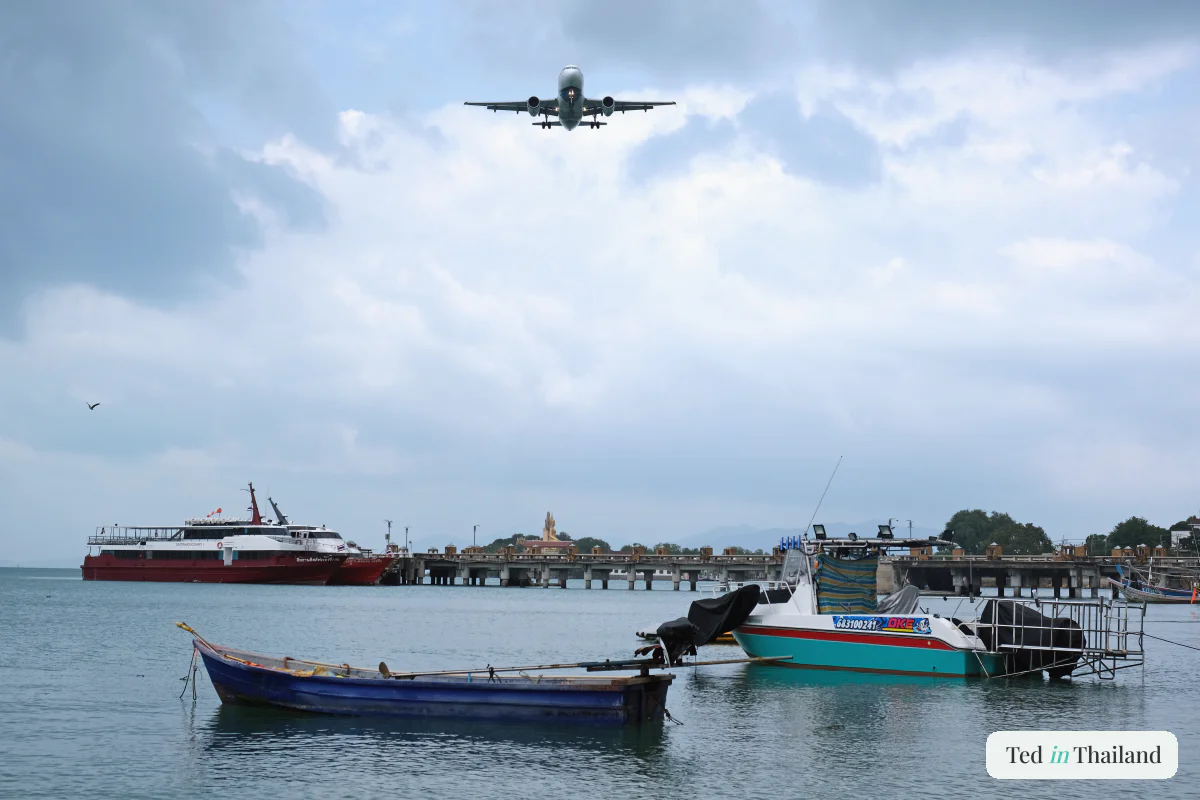
Nathon is the island's administrative town and main ferry port on the west coast. There's a morning market, local shops, and a few seafood restaurants. Nathon Beach is more of a working harbor frontage than a tropical postcard. It's not a swim beach. But if you need to catch an early ferry, a night in a Nathon hillside villa (like Baan View Talay, which runs around $110 to $220 with panoramic harbor views and a private pool) beats a 5 AM taxi from Chaweng.
For most visitors, I'd suggest staying in Bangrak or Nathon only for your first or last night when logistics demand it, and then basing yourself in an area that matches your actual vacation priorities.
Ted's Tip
If you're doing a day trip to Koh Phangan for the Full Moon Party and coming back the same night, Bangrak is the smartest base. The Samui Backpacker Hotel near the pier runs about 200 to 700 THB for dorms and offers Full Moon packages with pier transfers. Book a bed there instead of taxi-ing across the island at 3 AM.
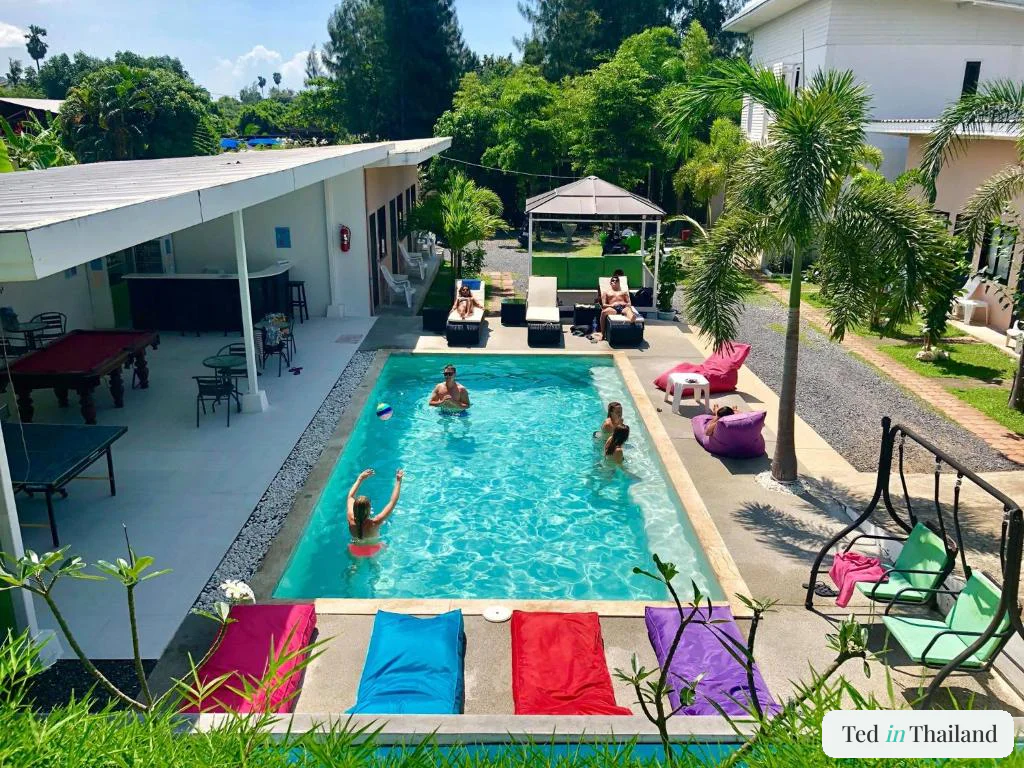
Lipa Noi and Taling Ngam: The Sunset Side
If you ask me where I go on the island when I want to feel like I'm somewhere nobody else knows about, it's the west coast. Lipa Noi Beach has some of the flattest, shallowest shoreline on Koh Samui, with fine pale sand, almost no crowds, and sunsets that genuinely stop you in your tracks. Taling Ngam sits just south of it with a long clean beach and that famous five-island panorama on the horizon.
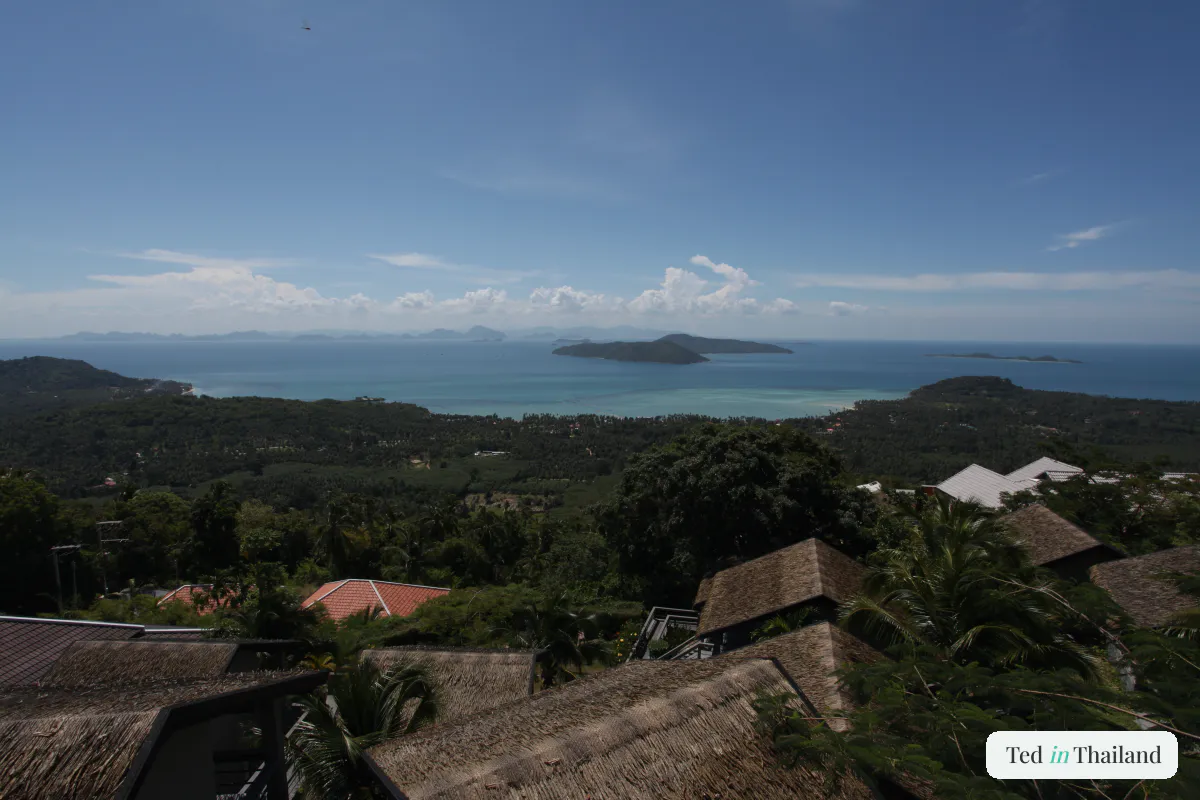
The tradeoff is real, though: this side of the island is quiet in the "you'll need to drive 20 to 30 minutes to reach a lively restaurant" sense. Hotel and dining options are limited compared to the east coast. You'll rely on your resort's restaurant or need a scooter or car to get around. For some people, that's the whole point.
Hotels worth knowing on the west coast (by budget)
Mid-Range Villas: Five Islands Beach House in Taling Ngam is a teak-and-Thai-style beachfront house with a private pool and direct sand access, running about $120 to $270 per night. Baan Chang and other private west coast villas offer pools and sunset terraces at mid-range prices. These are best booked through established platforms that hold your payment in escrow.
Luxury: Conrad Koh Samui (12,000 to 45,000 THB) is the west coast's signature luxury property. The villas have large private pools, the breakfast consistently gets high marks, and those sweeping five-island sunset views from the hillside are the kind of thing that makes you understand why people spend the money. The honest caveat: it's remote and buggy-dependent, so every on-site movement takes a few extra minutes, and you'll need to plan transfers if you want to dine off-property. Hilton Honors points can work here, but villa-category award inventory is limited, so check the calendar early. InterContinental Koh Samui (10,000 to 30,000 THB) is another dramatic cliffside option with a sunset bar (the Air Bar) that's worth a visit even if you're not staying there. IHG One Rewards applies.
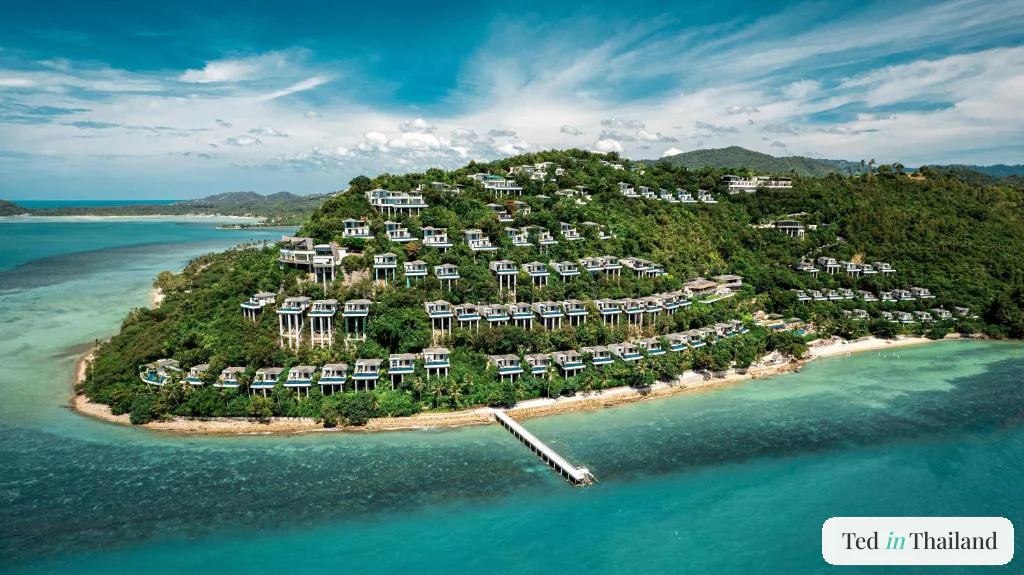
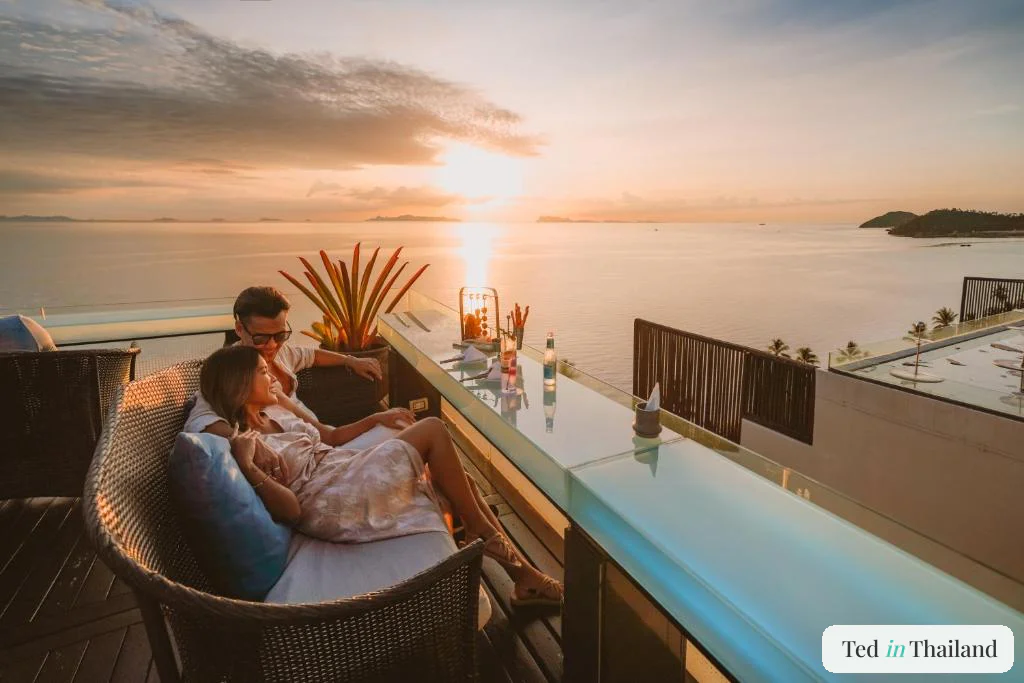
I've got dedicated deep-dive guides for both Conrad Koh Samui and the InterContinental in the works.
Ted's Tip
Even if you're not staying on the west coast, make at least one sunset trip to Lipa Noi or Taling Ngam during your visit. Grab a table at a beachside spot, order a cold Singha, and watch the sun drop behind those five islands. It's one of those free-ish experiences that outperforms half the paid excursions on the island.
Best Stays by Budget: The Cross-Island Cheat Sheet
This is the section for readers who already know their budget and just want to see the best picks across the whole island in one place. I've sorted these into four tiers so you can scan straight to your number.
Under 1,500 THB per night (backpacker and budget)
- Chaweng: Lub d Koh Samui (social hostel, pool, reliable security, 300 to 800 THB dorms), Al's Resort (beachfront budget)
- Bophut: Ibis Samui Bophut (1,500 to 4,500 THB, walkable to Fisherman's Village night market)
- Bangrak: Samui Backpacker Hotel (200 to 700 THB dorms, perfect for pier access and island-hopping)
- Maenam: Escape Beach Resort (from around 1,500 THB, cheerful beachfront)
- Lamai: Budget guesthouses and fan bungalows (400 to 900 THB for a private fan room)
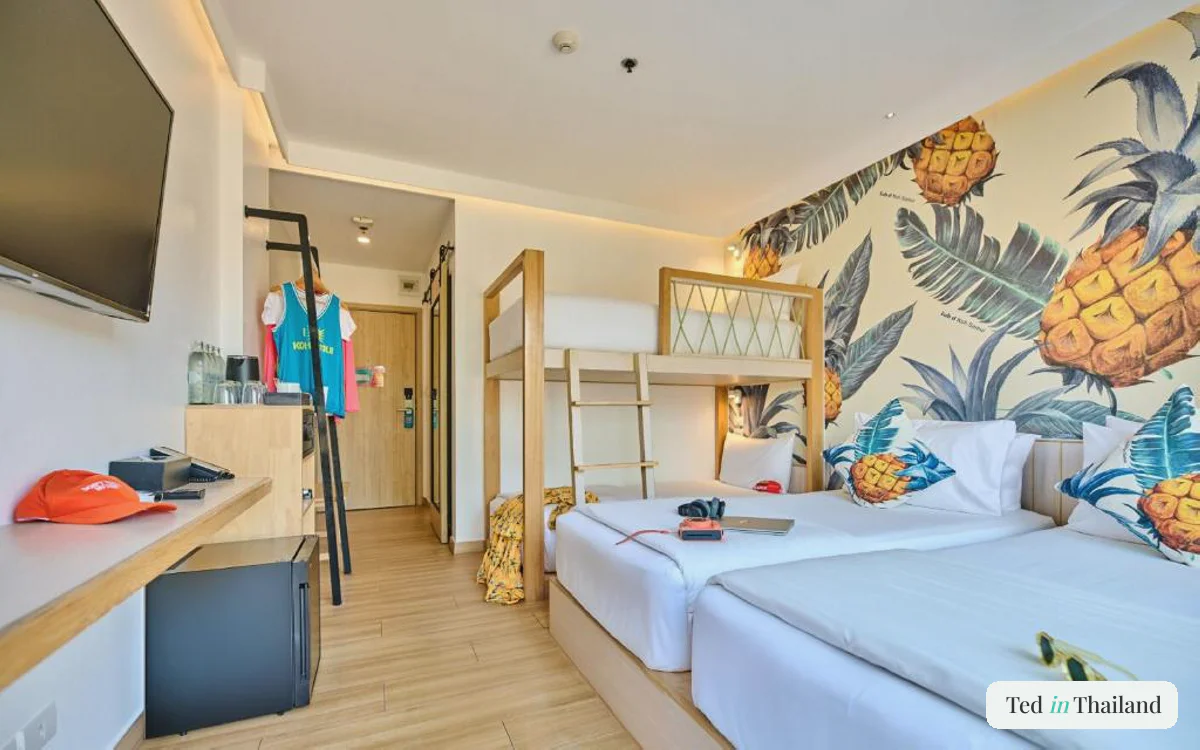
If you're building a whole trip at this level, I ran the real numbers in Koh Samui on a Budget.
1,500 to 5,000 THB per night (mid-range comfort)
- Chaweng: Bandara Resort (pool villas, family-friendly), Buri Rasa Village (intimate boutique beachfront), KC Grande (pool villas for families)
- Bophut: Deva Beach Resort, Fair House Villas and Spa (romantic gardens, pool villas)
- Choeng Mon: SALA Samui Choengmon (3,500 to 11,000 THB, pool villas, calm beach)
- Maenam: Samui Spa Resort / Peace Resort (2,000 to 7,500 THB, quiet long-stay value), Paradise Beach Resort
- Lamai: Anantara Lawana (3,500 to 10,000 THB, beachfront suites with mid-range pricing)
5,000 to 15,000 THB per night (upper mid-range and boutique)
- Chaweng: Avani Chaweng (modern rooms, beach club), Centara Reserve Samui (family programming, multiple pools), SALA Samui Chaweng (pool villas)
- Bophut: Zazen Boutique (romantic beachfront dining), Hansar Samui (4,500 to 12,000 THB, modern and quiet), Karma Resort (whitewashed boutique)
- Choeng Mon: Melia Koh Samui (Kidsdom kids' program, loop pools), Kimpton Kitalay Samui (design-forward with family features)
- Maenam: Santiburi Koh Samui (estate villas, tennis, golf)
- Chaweng Noi: Silavadee Pool Spa Resort (cliffside serenity, private pools), Vana Belle (great breakfast, quick sellout)
15,000 THB and up (luxury)
- Choeng Mon/Plai Laem: Cape Fahn (25,000+ THB, private-island experience), Six Senses Samui (20,000+ THB, wellness villas)
- Taling Ngam: Conrad Koh Samui (12,000 to 45,000 THB, sunset villas with Hilton points option), InterContinental (10,000 to 30,000 THB, cliffside Air Bar)
- Laem Yai: Four Seasons (50,000+ THB, private-villa benchmark, butler service)
- Lipa Noi: Banyan Tree Samui (12,000 to 40,000 THB, Asian-style villas, sunset hillside)
- Maenam: W Koh Samui (design-forward luxury)
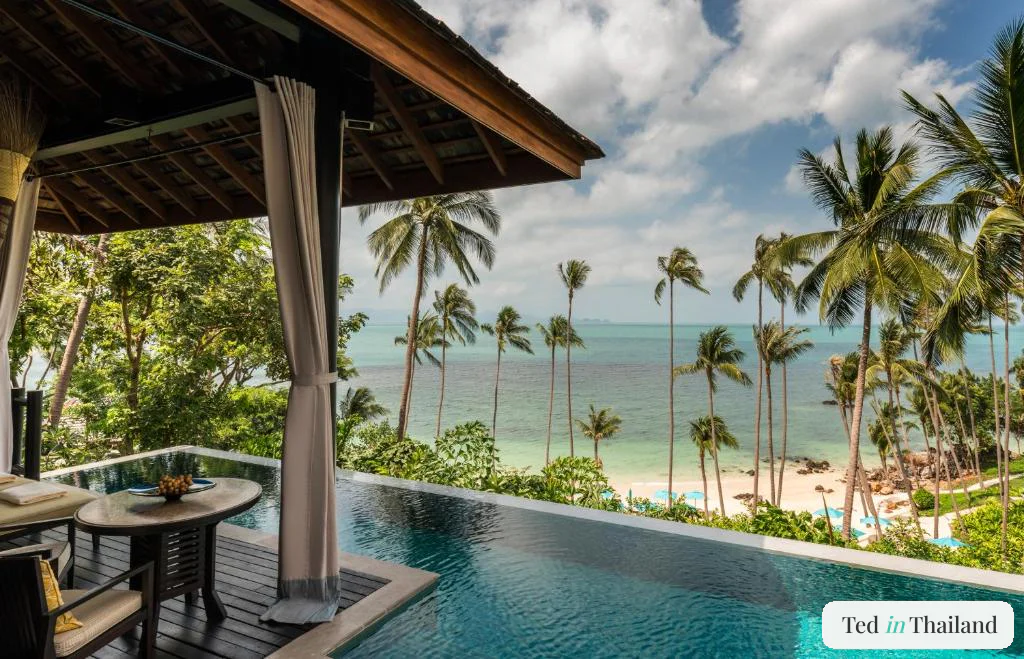
If you want to know what a week at this level really costs once you add flights, food, and transfers, I broke it down in Luxury Koh Samui: What a 5-Star Trip Actually Costs.
Ted's Tip
If you're a couple or a small group and your budget lands in the 5,000 to 10,000 THB range, seriously consider a pool villa over a standard hotel room. A two-bedroom villa split between two couples often costs less per person than two mid-range hotel rooms, and you get a private pool, a kitchen, and way more space. The per-person math on villas is one of the best-kept value secrets on this island.
Hotel, Villa, or Hostel? Choosing the Right Format
This is one of those decisions that sounds obvious until you actually sit down and think about it. Each format works brilliantly for the right traveler and terribly for the wrong one.
Hotels and resorts are the right call when you want a reliable, staffed experience with daily housekeeping, on-site dining, a concierge who can book tours and transfers, and zero logistics on your end. For families with small children, the kids' clubs, shallow pools, and proximity to pharmacies and hospitals that come with a well-located resort are hard to replicate in a villa. For solo travelers and couples on shorter trips, hotels remove friction entirely.

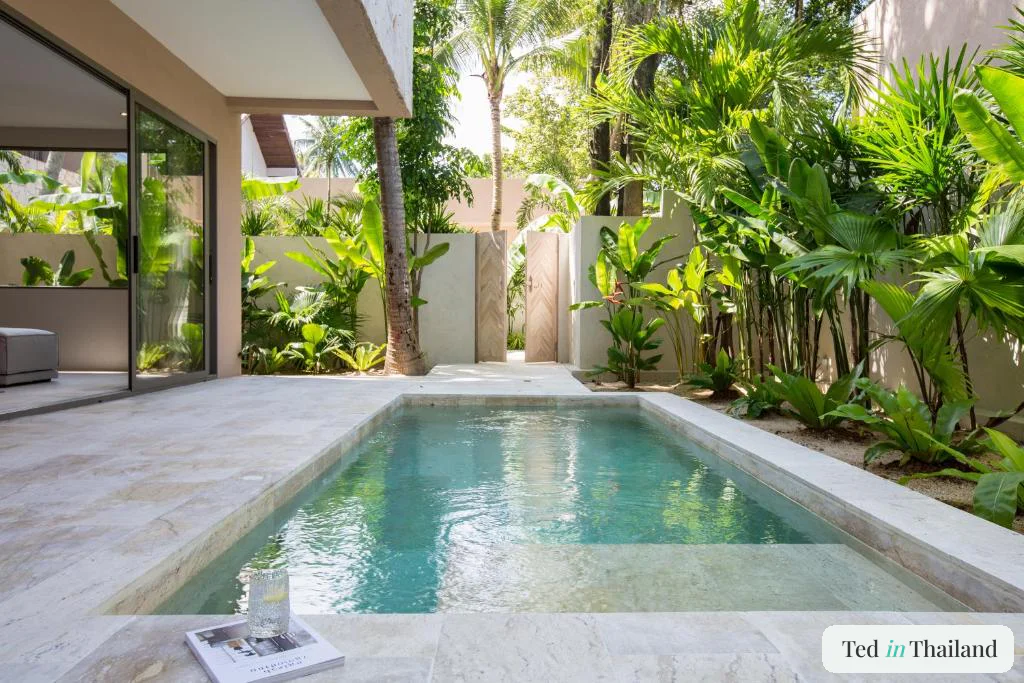
Private villas shine when you're traveling as a group or family of four-plus and want space, privacy, and the option for a private chef. The per-person cost of a three or four-bedroom pool villa often beats booking multiple hotel rooms, especially in shoulder season. But villas come with homework. You need to verify the listing is legitimate (book through platforms with escrow or use established villa agencies), get a written rate sheet that includes cleaning fees, staff wages, security deposits, and utility charges, and confirm the staffing roster before you arrive. I've seen enough deposit scams and "too good to be true" listings to tell you: if a price looks dramatically lower than comparable properties, walk away.
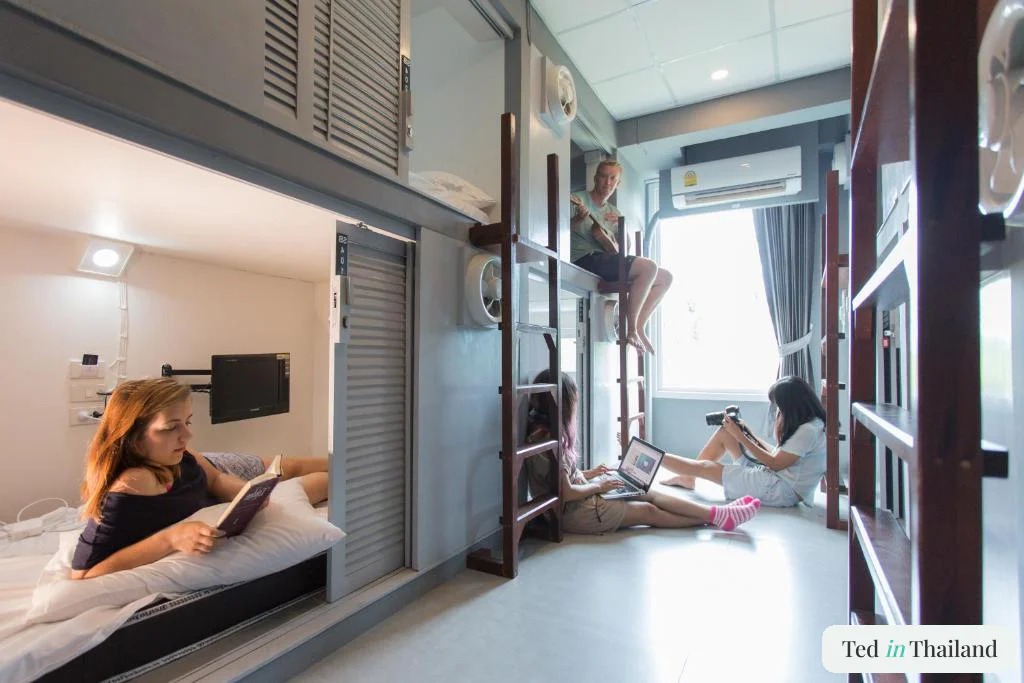
Hostels and guesthouses are the move for backpackers, solo travelers on a budget, and anyone who values a social scene over a private bathroom. The best hostels on Samui (Lub d in Chaweng, for example) have pools, security lockers, and organized social events. Just don't expect silence, and bring a padlock.
Booking Samui Like a Local: Timing, Rates, and the Traps
After eight years of watching friends, readers, and fellow expats book (and occasionally botch) their Samui accommodations, the patterns are pretty clear. Here's what actually moves the needle.
Timing your booking
Peak season (November through March) is when rates spike hardest and availability shrinks fastest. If you're traveling during Christmas, New Year, or Chinese New Year, you want to be booking three to nine months out for the best room categories. Beachfront pool villas and family suites at popular properties sell out well before the casual planners start looking. Holiday weeks at places like the Conrad, Four Seasons, and Melia sometimes require even longer lead times.
Shoulder and low season (May through October) is where the value is. Rates at mid-range properties can drop 30 to 50 percent compared to December pricing, and you'll have far more room selection. Many of these months still deliver good weather, especially May and June before the heavier rains start.

One factor worth knowing: media exposure can spike demand overnight. After the White Lotus filmed at the Four Seasons here, inquiries and pricing at luxury properties across the island jumped. If you see Samui trending anywhere, that's your cue to book sooner rather than later.
The traps to avoid
Villa booking scams are the single biggest accommodation risk on the island. Listings that appear only on social media, require direct bank transfers, and show pricing dramatically lower than comparable properties are red flags. Stick to reputable platforms, verify the property address through Google Maps and cross-check recent guest photos, and never wire a large deposit to an individual you can't verify.
Buggy-dependent hillside resorts are the other common surprise. Several of Samui's most beautiful luxury properties sit on steep terrain where getting from your villa to the restaurant requires calling a buggy and waiting a few minutes each way. That's fine if you know about it in advance. It's frustrating if you expected a flat beachfront stroll. Before booking any property on a hillside or cliff, confirm whether buggy service is required and how internal transfers work.
Room placement matters more than star ratings. At beach-club hotels, a room facing the music deck is a completely different experience than one facing the garden. At properties with both beachfront and inland blocks, the beachfront upgrade is almost always worth the extra cost. Send a quick message before booking asking about room orientation and noise. That single email consistently separates great stays from disappointing ones.
Ted's Tip
Check reviews from the last three to six months specifically, not the overall rating. Several Samui hotels have gone through recent renovations that completely changed the guest experience. A property with mixed older reviews and glowing recent ones is often a better bet than a place coasting on its historic reputation.
Conclusion
Choosing where to stay in Koh Samui really comes down to one simple question: what kind of trip do you want?
Pick your area first. Match it to your priorities, whether that's nightlife, calm family beaches, walkable dining, sunset views, or pure luxury seclusion. Then find the best hotel, villa, or hostel within that area at your budget. That two-step process will serve you better than scrolling through thousands of listings sorted by price alone.
This island has something for every budget and every travel style. From 300-baht dorm bunks in Chaweng to private-island villas at Cape Fahn, the range is enormous, and the quality across the board is better than most people expect. The beaches are beautiful, the food is incredible, and the people make it feel like home. I've been here for over eight years and I still get excited showing people around.
Come visit. Just book the right neighborhood first.
FAQ
What is the best area to stay in Koh Samui for first-time visitors?
Bophut and Fisherman's Village is my top recommendation for first-timers. You get walkable restaurants, the famous night market, a pleasant beach, and an easy drive to Chaweng or Choeng Mon when you want to explore. It's the most balanced base on the island.
Where should families with kids stay in Koh Samui?
Choeng Mon is the best fit for families. The bay has calm, shallow water that's safe for small children, and family-oriented resorts like Melia Koh Samui and SALA Samui Choengmon offer kids' programs, family suites, and gentle beach entry. I have a full family vacation guide with more detail on koh samui accommodation for families.
Is Koh Samui expensive for hotels?
It depends entirely on when you visit and what you book. Dorm beds start around 250 THB (about $7 USD), mid-range hotels with pools run 2,000 to 5,000 THB ($55 to $140), and luxury villas go well above 15,000 THB per night. Visiting during low season (May through October) can cut prices by 30 to 50 percent compared to peak-season rates. Even koh samui budget accommodation options deliver solid quality.
What is the best area in Koh Samui for nightlife?
Chaweng, without question. It has the island's biggest concentration of bars, beach clubs, and late-night spots. If you want nightlife within walking distance of your hotel, Chaweng Beach is where you should base yourself. I cover the full scene in my nightlife guide.
Should I book a hotel or a villa in Koh Samui?
Hotels work best for solo travelers, couples, and families who want daily housekeeping, on-site dining, and a staffed concierge. Villas are the smarter move for groups of four or more who want privacy, a private pool, and the option for a private chef. The per-person math on a three or four-bedroom pool villa often beats booking multiple hotel rooms. Just make sure you book through a platform with payment protection.
How far in advance should I book my Koh Samui hotel?
For peak season (November through March), three to nine months ahead is ideal, especially for beachfront rooms and popular family resorts. For shoulder and low season, a few weeks out is usually fine, and you'll have more room selection and better rates. The best koh samui resorts in popular areas sell out earliest.
What are the best honeymoon resorts in Koh Samui?
For a honeymoon, I'd point you toward Zazen Boutique Resort in Bophut (intimate beachfront dining, romantic gardens), Conrad Koh Samui in Taling Ngam (private pool villas with sunset views), or Cape Fahn on its own tiny island near Choeng Mon. Each delivers a very different flavor of romance, from boutique intimacy to full private-island seclusion. My couples and honeymoon guide has the complete breakdown.