Street Food in Koh Samui: My Favorite Cheap Eats Under 150 Baht
Twenty-baht skewers, pier-side curries, and the market nights that matter, straight from a longtime local.
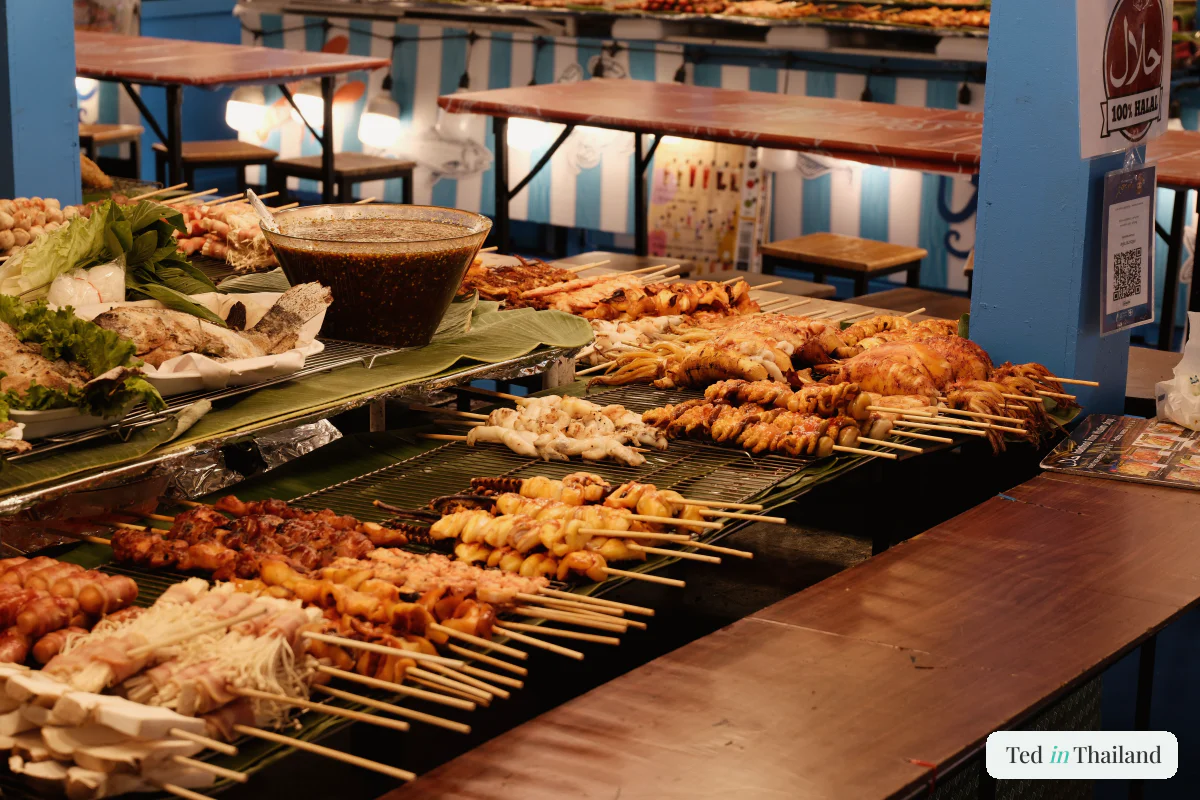
- Eat at Nathon's night market for the cheapest, most local street food on Samui.
- Fisherman's Village runs Monday, Wednesday, and Friday; Friday is the big night.
- Chaweng Lake's food market only runs Thursday through Saturday, so plan accordingly.
- Follow the queues and watch food cook; high turnover means fresh, safe food.
- Carry small bills, since most Koh Samui street food stalls are cash-only.
Some of the best meals I've ever had on this island cost less than a beach towel. I'm talking charcoal smoke curling off a pork skewer, an auntie pounding som tam to order, and a paper tray of mango sticky rice eaten with sandy feet. Street food in Koh Samui is where the island really shows off, and you can eat like royalty for pocket change.
After almost a decade of eating my way around these night markets, morning stalls, and roadside grills, I have my favorites locked in. Here's exactly where to go, what to order, and what it should cost, so you can spend the savings on another round of coconuts.
What Koh Samui Food Actually Costs on the Street
The great news for any Koh Samui budget is that Thai street food is still wonderfully cheap here. This is what I actually pay:
- Moo ping (grilled pork skewers): 10–30 baht a stick
- Noodles, fried rice, or curry over rice: 40–150 baht
- Pad thai with shrimp: 80–160 baht
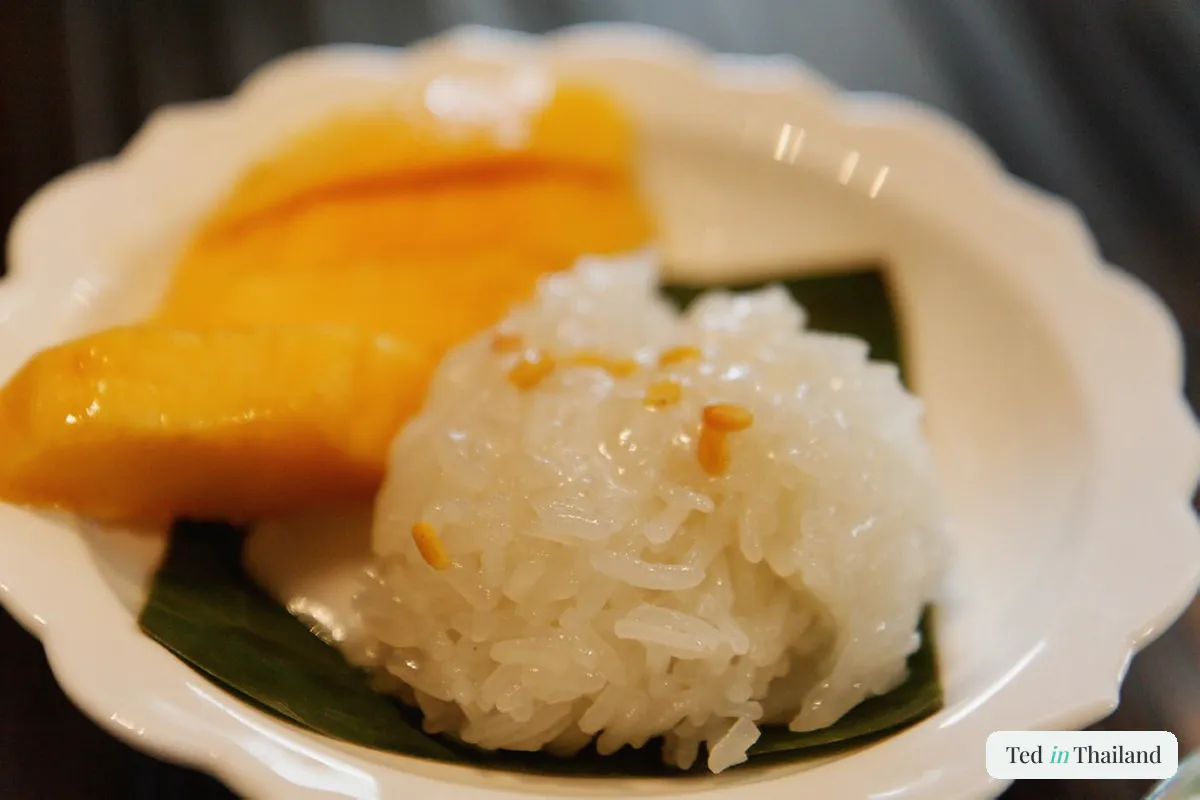
- Mango sticky rice: 50–120 baht
- Fresh coconut: 30–60 baht
Compare that to sit-down Koh Samui restaurants, where a Thai main runs 150–350 baht and Western plates land around 200–400. Stick mostly to stalls and eating well on 300–700 baht a day is easy. Expect prices to creep up 20–30% in the busiest tourist zones and in peak season.

The Night Markets Worth Planning Your Week Around
Each market keeps its own schedule, and getting the days wrong means staring at an empty parking lot. Here's my cheat sheet.
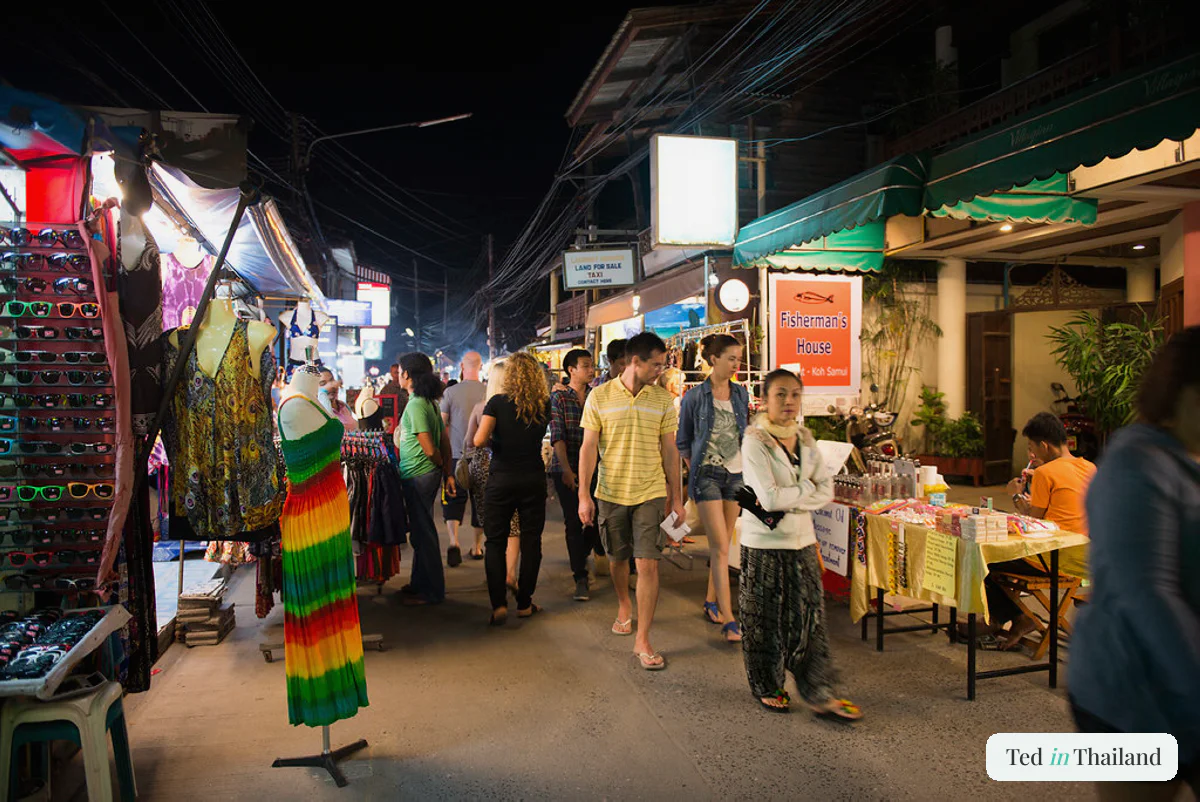
Fisherman's Village Night Market
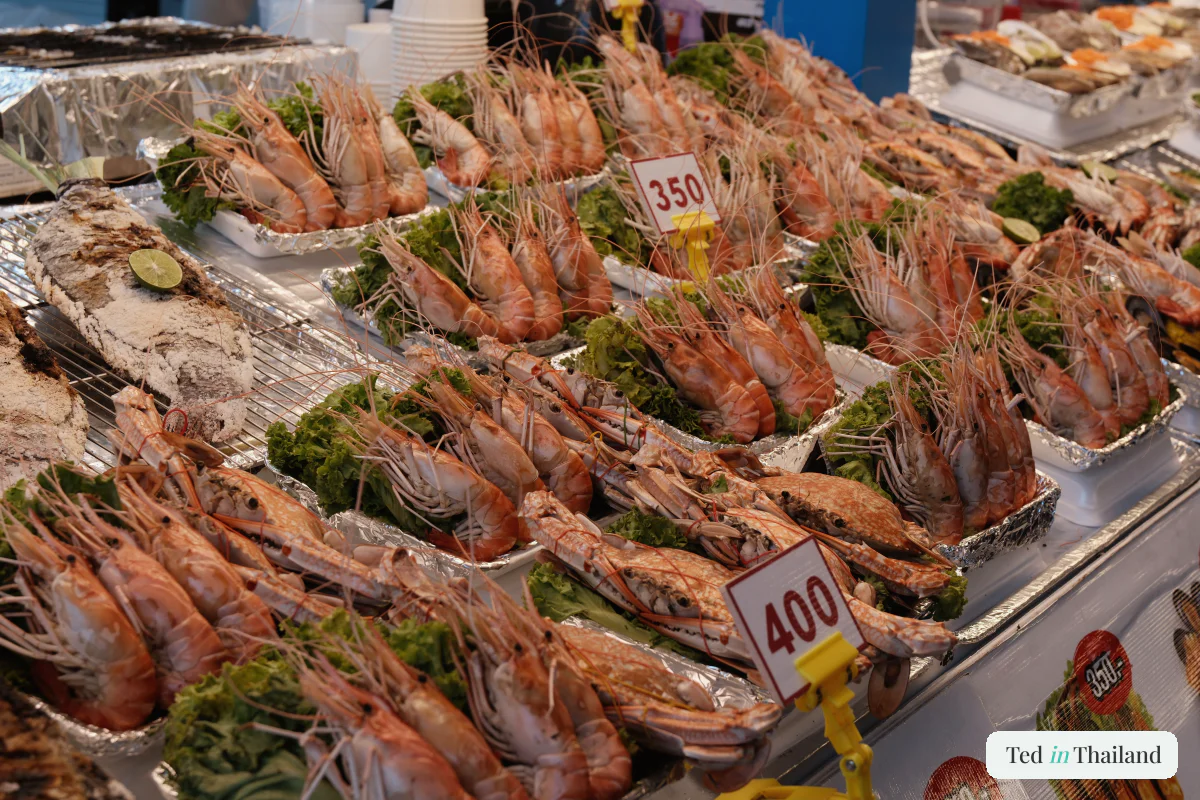
The big one. Every Monday, Wednesday, and Friday, the beachfront lane in Bophut, Samui's prettiest old fishing village, closes to traffic and fills with grills, live music, and dessert carts. Friday is the main event and by far the busiest night. Grab grilled prawns or charcoal squid (150–400 baht a platter) and finish with mango sticky rice. It deserves its own full guide, so I wrote one.

Chaweng Beach Night Market
Chaweng's proper food market sits beside Chaweng Lake, right across the road from Central Festival, and it only runs Thursday, Friday, and Saturday from about 4:30 to 10 pm. On the other nights, the Food Village food court by the lake and the stalls along Beach Road keep Chaweng fed. Order boat noodles (60–120 baht) or pad thai cooked right in front of you. This is also the one area where I've seen stalls quote tourists more than the posted price, so point at the sign and keep it friendly.
Lamai Sunday Walking Street
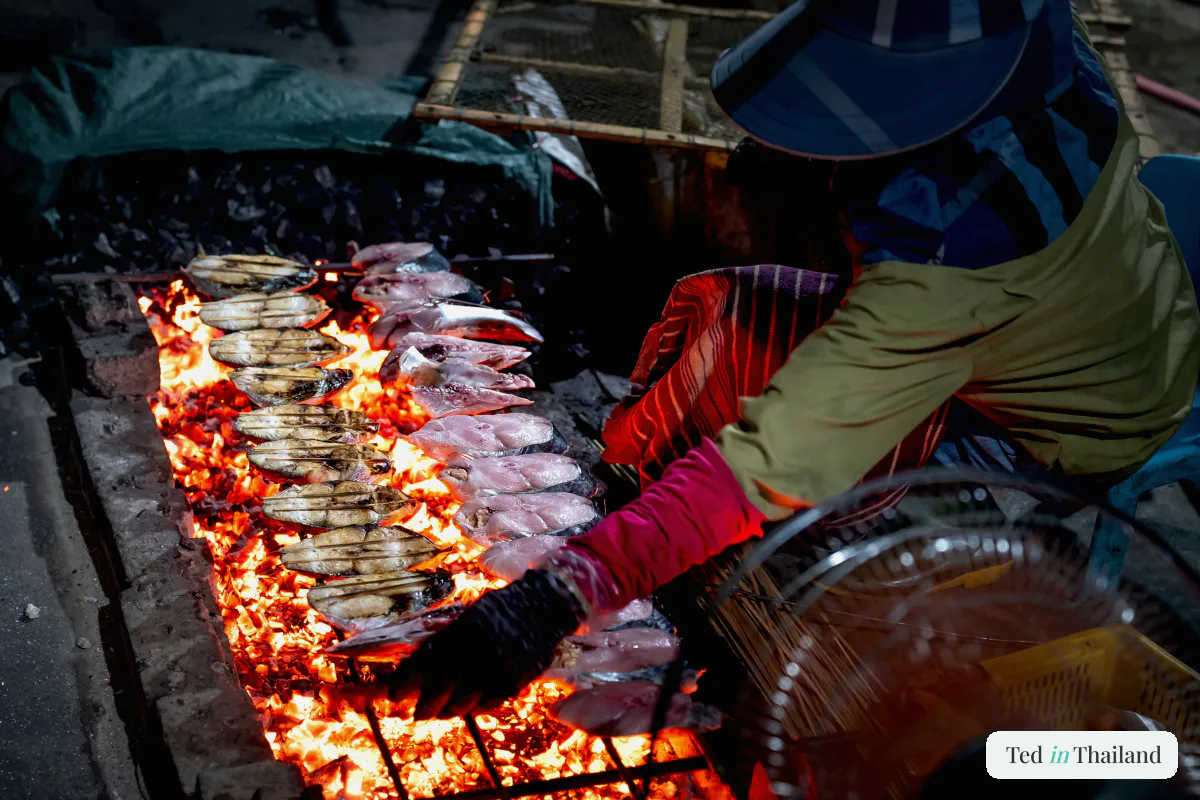
Lamai's Sunday market draws smaller crowds than Bophut, so lines move faster. Seafood BBQ plates run 150–350 baht, and the roti stalls (40–80 baht) are a real danger to your willpower. I've covered the whole Lamai market scene in its own guide.
Nathon Night Food Market
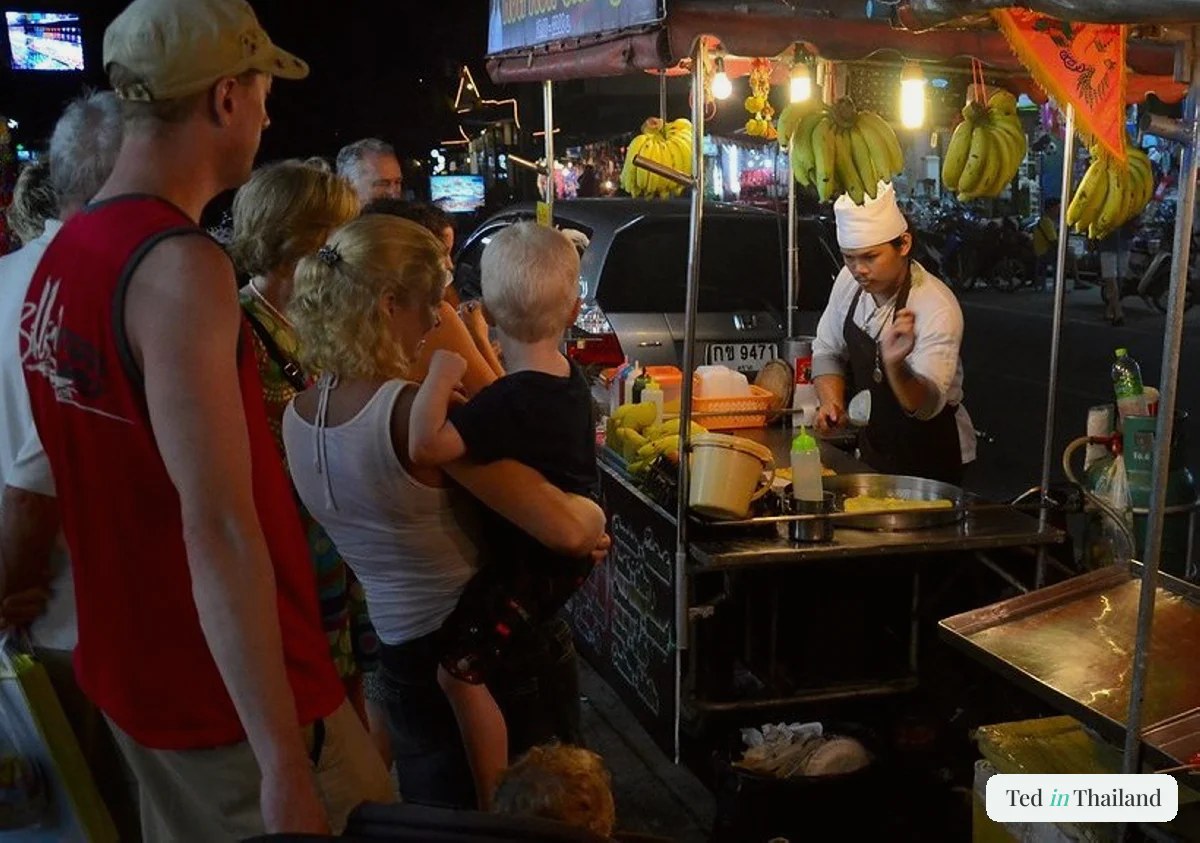
This is where I go for the best local food on Samui. Every evening from around 4:30 pm, carts gather by the old pier in Nathon, the island's little capital on the west coast. Local families fill the plastic chairs from 6 to 8 pm, curries and grilled fish go for 40–200 baht, and the sunset comes free. Spice levels are set for Thai palates, so order carefully.
Ted's Tip
Get to any night market around 5:30 pm. Most of them hit their peak between 7 and 9 pm, when lines double and the good seats disappear, but arriving early means the grills are freshly loaded, the seafood is at its best, and you'll actually find a table without hovering over strangers like a seagull.
Morning Eats the Tourists Sleep Through
Samui's breakfast scene shows how islanders really eat. The best stalls run from about 6 to 9 am, and plenty are packing up before the resort buffets even open.
- Khao tom (rice porridge) with pork or fish: 30–80 baht, perfect before an early ferry
- Jok, the thicker porridge, with a soft egg and fresh ginger
- Dim sum counters around Lamai, where steaming baskets go for 40–100 baht a plate
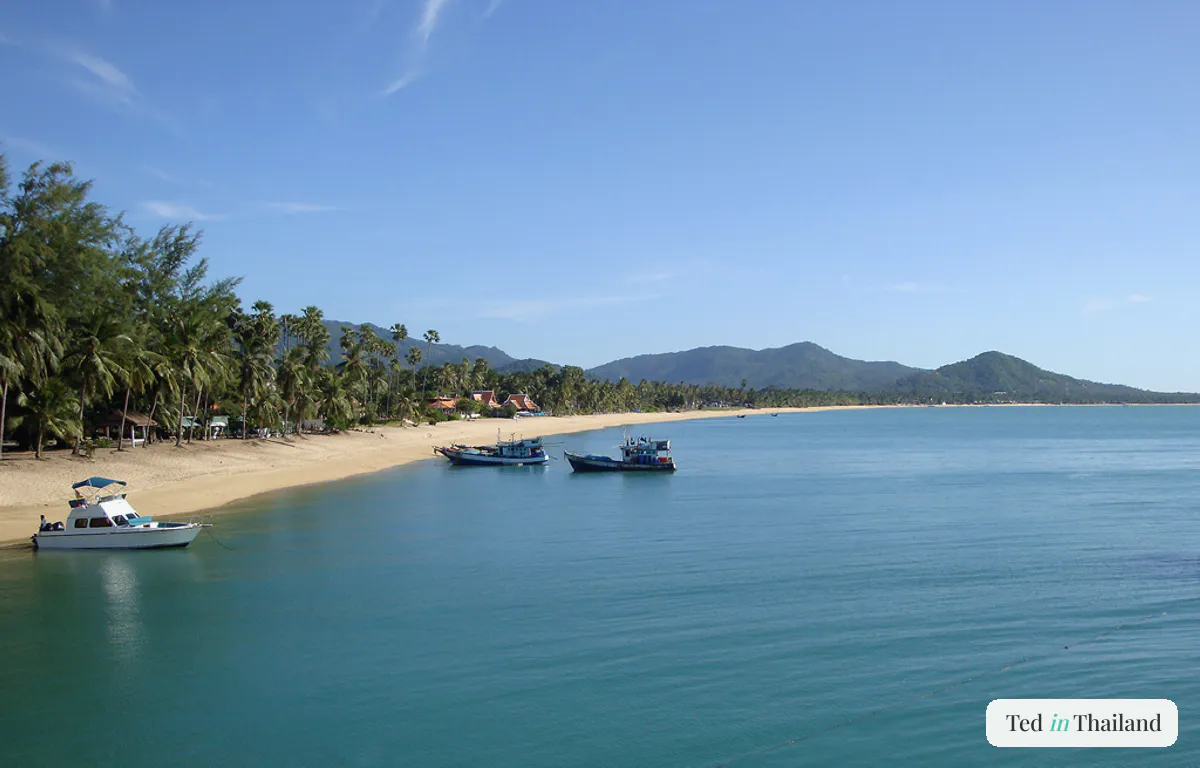
For a proper market wander, head to Maenam's morning market near the pier, where fruit sellers and fish stalls look across the water to Koh Phangan. Down south, the Muslim fishing village of Hua Thanon, just past Lamai, runs a wet market where boats land the morning catch and stalls sell southern-style curries. Bring small cash, since some stalls close on random off-days.
If you eat halal, I list more options in my Koh Samui vegan, halal & kosher food guide.
My Go-To Cheap Plates (And What to Say)
When friends visit, this is the list I text them. Point, smile, and say "mai pet" if you want it not spicy.
- Khao man gai: Hainanese chicken rice with clear soup and a ginger-soy dip, 50–120 baht.
- Khao kha moo: stewed pork leg over rice with pickled greens and an egg, 50–120 baht.
- Khao moo krob: crispy pork over rice, 60–150 baht. The lunchtime rush of local workers keeps it fresh.
- Kai jeow: a crispy Thai omelet over rice, 40–80 baht, and my favorite late-night snack after the bars.
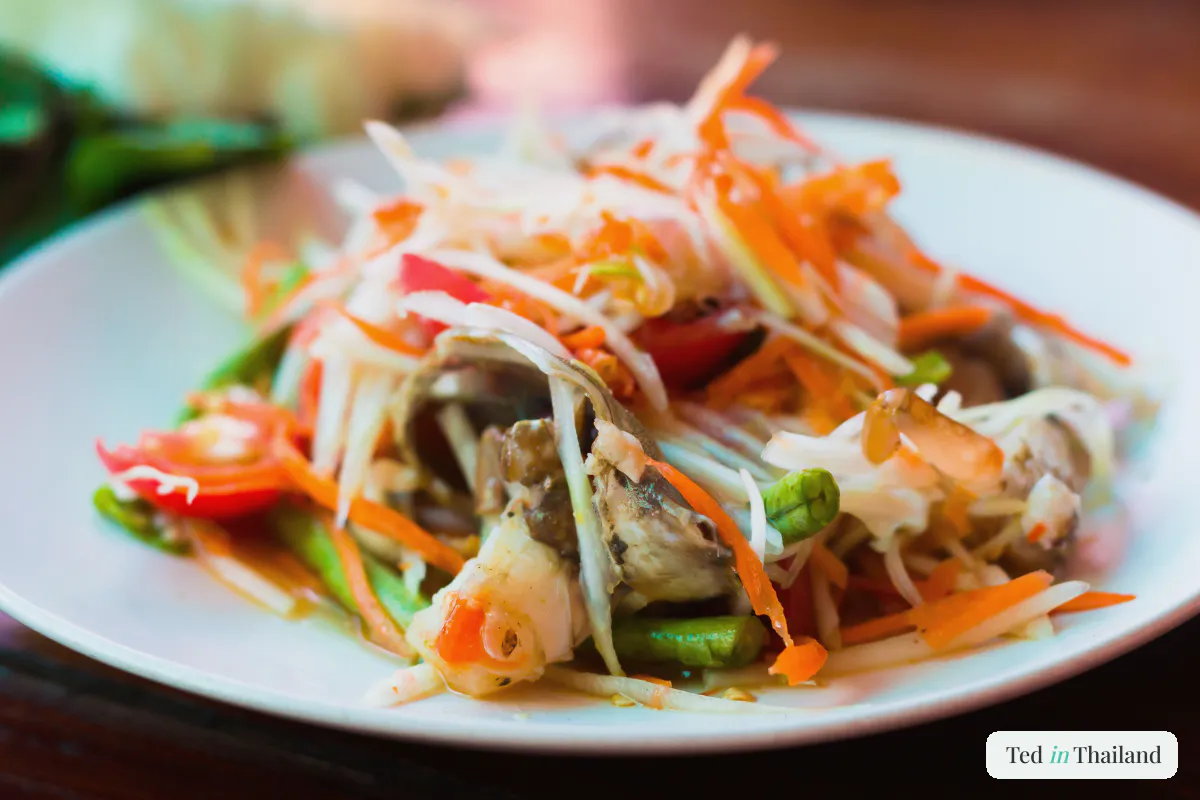
- Gai yang, som tam, and sticky rice: the holy trinity of Isan food. Maenam's roadside chicken grills nail it, and a whole bird runs 180–300 baht.
- Roti with banana and condensed milk: 30–80 baht. The dessert queues form for a reason.
- Thai iced tea (cha yen): 30–80 baht. Say "wan noi" for less sugar, or brace yourself.
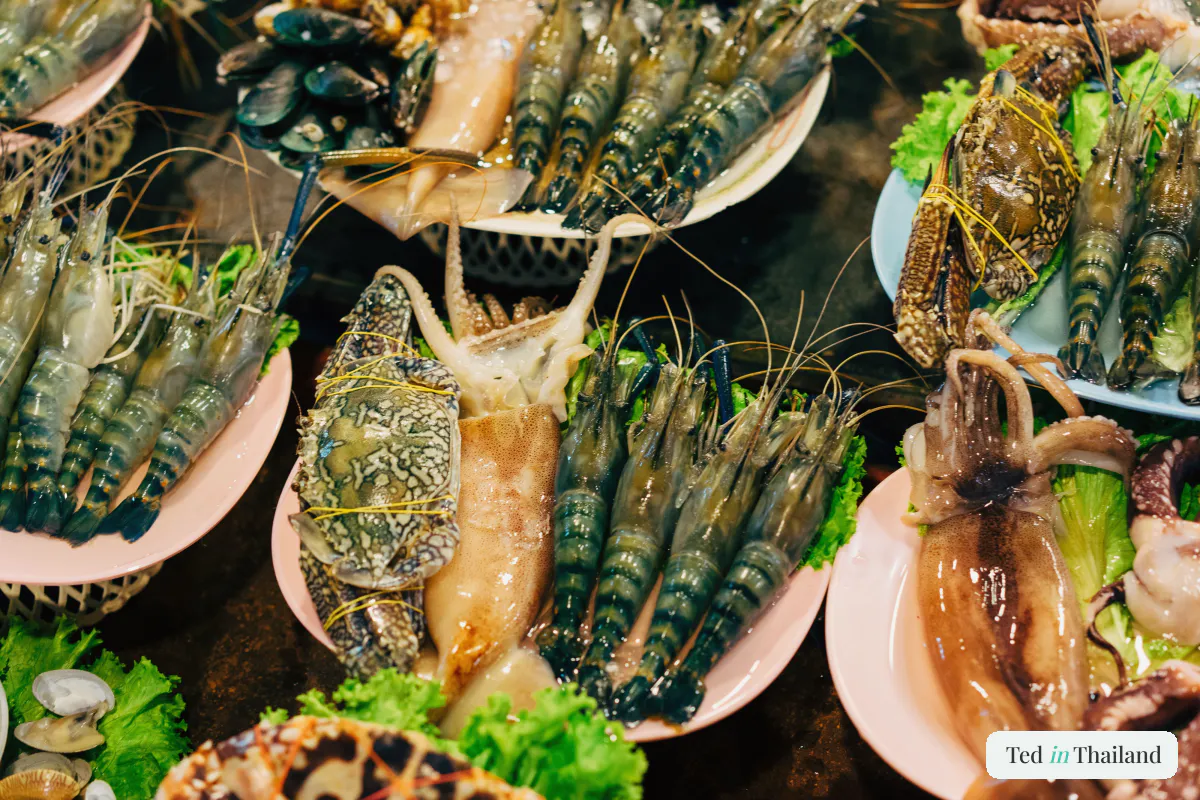
For seafood lovers, the south-coast fishing village of Thong Krut lets you buy straight off the boats and have it grilled on the spot. That one gets its own guide.
How I Pick a Stall That Won't Wreck Your Stomach
Here's the honest part. Most people eat street food here all week without a single problem, but one bad stall can cost you a day or two glued to your bathroom. My rules:
- Follow the queue. High turnover is the best freshness test there is. If locals are lining up at 5 pm, so am I.
- Watch it cook. Anything grilled, stir-fried, or deep-fried in front of you is a safe bet.
- Skip the sunbathing trays. Pre-made food sitting uncovered in warm air for hours? Keep walking.
- Check the seafood. It should sit on ice and smell like the ocean, not like a warning. I skip raw shellfish at street stalls entirely.
- Be smart about ice. Ice from sealed bags at busy stalls is usually fine. When in doubt, grab a sealed bottle or a freshly cracked coconut.
If something goes sideways, pharmacies are everywhere and rehydration salts become your best friend.
Ted's Tip
Carry a stack of 20, 50, and 100-baht notes every time you head out to eat. Most stalls are cash-only and won't have change for a 1,000-baht note at 7 pm on a busy Friday, so break your big bills at 7-Eleven or a supermarket before you go.
For the best ways to get baht without getting hammered on fees, see my Koh Samui ATMs & currency exchange guide.
Rainy Night and Late Night Backups
When a tropical downpour rolls through, I head straight for the air conditioning. The food courts at Central Festival in Chaweng, Lotus's, and Big C serve proper Thai plates for 60–150 baht, and they're some of the cleanest cheap eats Koh Samui has. And at 2 am? The steamed buns and rice balls at 7-Eleven (20–80 baht) have rescued me more times than I'd like to admit.

Eat Like You Live Here
The cheapest food on Koh Samui also happens to be some of the best. Plan your evenings around the markets (Fisherman's Village on Friday, Chaweng Lake Thursday through Saturday, Lamai on Sunday, Nathon any night), grab breakfast where the locals do, and always follow the queue. Just save room for a second mango sticky rice. Trust me on that one.
FAQ
Is street food in Koh Samui safe to eat?
Yes, for the most part. Choose busy stalls with high turnover, eat food cooked in front of you, and skip anything that's been sitting uncovered in the sun. I also avoid raw shellfish at street stalls.
How much should I budget for food in Koh Samui per day?
If you eat mostly at stalls and markets, 300–700 baht a day covers three solid meals. Individual market dishes run 40–150 baht, while sit-down Thai restaurants charge roughly 150–350 baht per main.
What nights is the Fisherman's Village night market open?
It runs every Monday, Wednesday, and Friday evening in Bophut, starting around 5 pm. Friday is the main night, with the most stalls, music, and crowds.
Is the Chaweng Beach night market open every night?
The main food market by Chaweng Lake runs Thursday to Saturday, from about 4:30 to 10 pm. On other nights, the Food Village food court by the lake and the Beach Road stalls are still open.
Where is the cheapest street food on Koh Samui?
Nathon's night food market by the pier on the west coast. It's open every evening from around 4:30 pm, mostly serves locals, and has the lowest prices on the island.
What Koh Samui food should I try first?
Start with moo ping skewers, som tam with sticky rice and gai yang, khao man gai, and mango sticky rice. That combo covers sweet, salty, smoky, and spicy for well under 300 baht.
Do street food stalls in Koh Samui take cards?
Rarely. Bring small bills (20, 50, and 100 baht). Malls and food courts accept cards, but markets and roadside stalls are almost always cash-only.
Got more questions? My Koh Samui Food & Nightlife FAQ covers plenty more.

